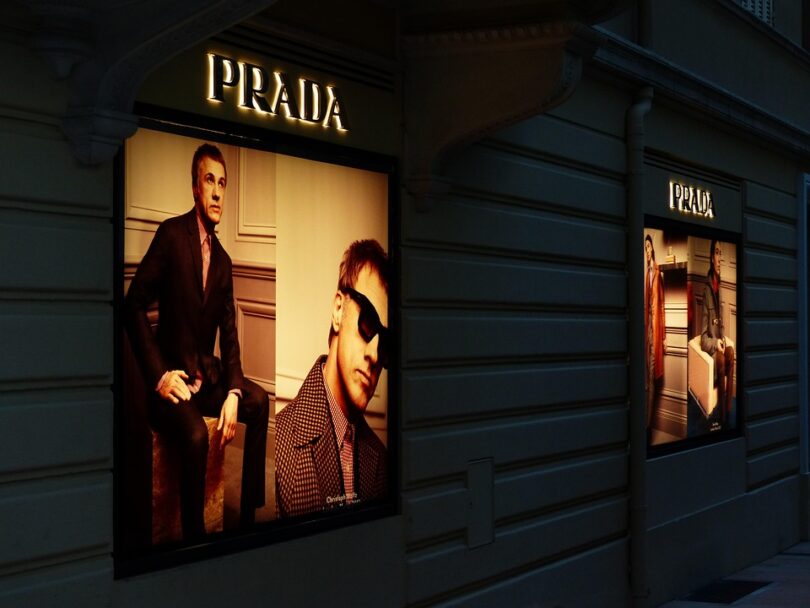


Founded in 1913 in Milan by Mario Prada, the fashion brand Prada has undergone significant transformations throughout its history. Originally selling leather goods, Prada has evolved into a global fashion powerhouse that influences trends across the globe. Through innovation and adaptation to changing market dynamics, Prada has redefined luxury while maintaining a commitment to craftsmanship and design excellence.
Early Beginnings: Leather Goods and Craftsmanship
Mario Prada started the brand as a leather goods shop in Galleria Vittorio Emanuele II, one of Milan’s most prestigious shopping streets. The initial offerings included high-quality trunks and handbags, which quickly made the brand a favorite among Italian aristocrats. The meticulous craftsmanship and premium materials laid the foundation for Prada’s commitment to quality, setting the stage for its future growth.
The Second Generation: Miuccia Prada Takes the Helm
In 1978, Mario’s granddaughter, Miuccia Prada, took over the business. With her unique vision, Miuccia transformed the brand into a fashion-forward label by introducing a range of luxury handbags, especially the iconic nylon backpack in the 1980s. This marked a departure from traditional leather goods, showcasing her innovative approach. Miuccia’s leadership style emphasized creativity and artistic expression, making Prada synonymous with avant-garde fashion.
Defining the 1990s: The Rise to Stardom
The 1990s heralded Prada’s rise to global prominence. The brand embraced minimalism, distancing itself from the excesses of the 1980s. Its designs became a staple on runways and in magazines. The introduction of the Prada line, which focused on clothing, complemented the existing accessories line and cemented the brand’s position in the luxury market. Collaborations with influential artists and designers, including Rem Koolhaas and Richard Avedon, further enhanced its cultural significance.
Diverse Offerings: Expansion Into Different Categories
During the late 1990s and early 2000s, Prada diversified its offerings with new lines like Miu Miu, targeting a younger audience and showcasing a more playful aesthetic. This expansion illustrated Prada’s versatility and ability to connect with varying demographics while retaining its high-fashion roots. Additionally, Prada ventured into fragrances, eyewear, and even menswear, broadening its appeal and solidifying its status as a fashion powerhouse.
The Digital Revolution: Adapting to Changing Trends
As the 21st century unfolded, the digital landscape changed the fashion industry. Prada adeptly adapted to this evolution by embracing online sales and digital marketing strategies, engaging with a younger demographic through social media and influencer partnerships. The brand’s innovative campaigns, including digital fashion shows, showcased their commitment to modernity while celebrating their heritage.
Commitment to Sustainability and Ethical Practices
In recent years, Prada has emphasized sustainability as part of its business model, acknowledging the importance of ethical practices in fashion. Initiatives like using recycled nylon and investing in sustainable materials reflect the brand’s commitment to reducing its environmental footprint. These efforts resonate with a growing consumer base that prioritizes sustainability and ethical accountability.
Prada Today: A Fashion Powerhouse
Today, Prada is more than just a brand; it is a cultural icon. The brand regularly participates in prestigious fashion events and collaborations, keeping its finger on the pulse of modern fashion. In addition to its core products, Prada’s influence is seen in various sectors, including art, architecture, and even film. Miuccia Prada’s visionary leadership continues to steer the company towards new heights while preserving its legacy.
Conclusion
From humble beginnings in Milan to becoming a global luxury powerhouse, Prada’s evolution is a testament to innovation, creativity, and a commitment to excellence. The brand’s ability to adapt to changing trends while remaining true to its roots has made it an enduring symbol of luxury and sophistication. As Prada continues to push boundaries and redefine fashion, it is clear that the journey is far from over.
FAQs
1. When was Prada founded?
Prada was founded in 1913 by Mario Prada in Milan, Italy.
2. Who took over Prada in the late 1970s?
Miuccia Prada, the granddaughter of Mario Prada, took over the brand in 1978.
3. What is the significance of the nylon backpack?
The nylon backpack, introduced in the 1980s, marked a shift in Prada’s offerings, showcasing innovative use of materials.
4. How has Prada embraced sustainability?
Prada has initiated sustainable practices by using recycled materials and investing in ethical production processes.
5. What is Miu Miu?
Miu Miu is a subsidiary brand of Prada that targets a younger audience with a playful aesthetic.