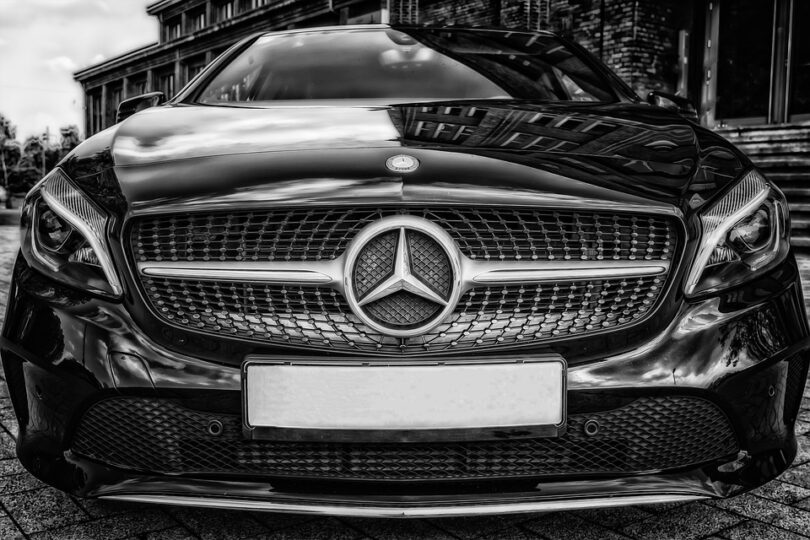


The concept of luxury has undergone significant transformations over the past few decades. Luxury was once synonymous with exclusivity, fine craftsmanship, and tradition. Today, designer brands are adapting to modern trends, shifting their focus to sustainability, technology, and inclusivity. In this article, we explore the multifaceted evolution of luxury and how leading designers are reimagining what it means to be ‘luxurious.’
The Historical Context of Luxury
Traditionally, luxury items were reserved for the elite, reflecting social class and wealth. Historical examples include ornate jewelry, haute couture fashion, and bespoke goods crafted from the finest materials. As global economies expanded and new markets emerged, the luxury sector experienced a surge in demand, leading to the proliferation of designer labels.
The Shift Toward Sustainability
One of the most significant changes in the luxury market is the growing emphasis on sustainability. Brands such as Stella McCartney have been at the forefront of promoting eco-friendly practices, using organic materials and ethical production methods. Luxury consumers, particularly younger generations, are increasingly prioritizing sustainability over mere brand status.
Examples of Sustainable Practices
- Recycled Materials: Luxury brands are incorporating recycled fabrics into their collections.
- Transparent Supply Chains: Many brands are now fully transparent about their supply chains, ensuring ethical practices.
- Reducing Waste: Techniques such as zero-waste pattern cutting are being implemented to minimize environmental impact.
Technology and the Luxury Experience
With the rise of digital technology, the luxury sector has transformed the consumer experience. High-end brands are using technology to create personalized shopping experiences. From virtual try-ons to AI-driven fashion recommendations, technology plays a crucial role in engaging modern consumers.
Digital Transformation in Luxury
Luxury brands are leveraging e-commerce to reach a broader audience. Notable examples include:
- Augmented Reality: Labels like Gucci offer apps that allow customers to virtually try on products.
- Social Media Marketing: Platforms like Instagram help in engaging younger audiences through influencer partnerships and effective branding.
Inclusive Luxury
The once exclusive nature of luxury fashion is gradually becoming more inclusive. Brands are beginning to cater to a broader demographic by offering diverse sizing, gender-neutral collections, and culturally relevant designs. This shift not only enhances brand perception but also allows for a wider range of consumer engagement.
Diversity in Campaigns
Recent ad campaigns from brands such as Balenciaga and Fendi showcase models of various body types, ethnic backgrounds, and abilities, reflecting the richness of today’s society.
The Healing Power of Fashion
The COVID-19 pandemic underscored the psychological aspects of luxury. Comfort wear became a staple as consumers sought solace in clothing. Brands responded by creating loungewear and athleisure lines that balanced comfort with luxury aesthetics. This trend shows how luxury adapts not just to consumer desires but also to global circumstances.
The Future of Luxury
Looking to the future, luxury brands must stay agile to meet changing consumer expectations. Innovations in sustainability, personalization, and inclusivity will continue to shape the industry’s landscape. Moreover, emerging technologies like blockchain may impact authenticity verification, providing consumers with confidence in their luxury purchases.
The Role of Cultural Influences
As cultural narratives evolve, luxury brands will need to remain aware of and respond to social trends. Collaborations with artists, musicians, and influencers will likely play a significant role in shaping new luxury narratives.
Conclusion
The evolution of luxury is marked by a profound shift towards sustainability, technology, and inclusivity. As designer brands adapt to modern trends, they pave the way for a new understanding of luxury—one that balances tradition with contemporary values. Today’s luxury consumer demands not only exquisite quality but also a commitment to ethical practices and shared societal values.
FAQs
1. What is the definition of luxury today?
Today, luxury is defined not only by exclusivity and craftsmanship but also by sustainability, inclusivity, and the overall consumer experience.
2. How are luxury brands addressing sustainability?
Luxury brands are embracing sustainable practices through the use of organic materials, ethical production methods, and transparent supply chains.
3. What role does technology play in luxury shopping?
Technology enhances luxury shopping by offering personalized experiences, augmented reality try-ons, and effective online marketing through social media platforms.
4. Are luxury brands becoming more inclusive?
Yes, many luxury brands are actively promoting inclusivity by offering diverse sizes and featuring models from various backgrounds in their campaigns.
5. How did the pandemic affect luxury fashion?
The pandemic shifted consumer preferences toward comfort-focused clothing, leading luxury brands to incorporate loungewear and athleisure into their collections.