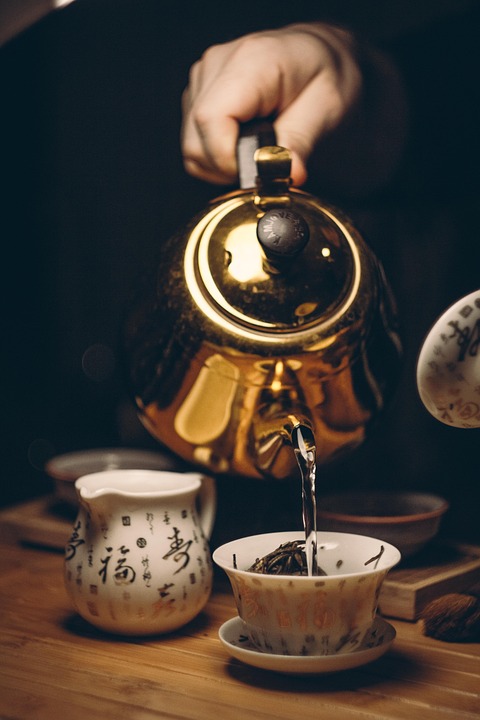


Afternoon tea, a quintessentially British tradition, has its roots deeply embedded in the cultural tapestry of England, particularly in London. This elegant meal serves not only as a gastronomic delight but also as a social occasion that offers a glimpse into the leisurely lifestyle of the British aristocracy of the 19th century.
The Origins of Afternoon Tea
Afternoon tea emerged in the early 1840s, a time when the British were gradually transitioning from heavy meals to lighter dining. The custom is credited to Anna Maria Russell, the Duchess of Bedford, who felt peckish during the long gap between lunch and dinner, leading her to request a tray of tea, bread, and butter in her chambers during the late afternoon.
This small meal soon became an indulgent affair, combining tea with an array of sweets and savories. The Duchess began inviting friends to join her, and thus, the informal gathering became a fashionable social event among the upper echelons of society.
The Evolution of Afternoon Tea
As the 19th century progressed, afternoon tea evolved into an elaborate affair, becoming synonymous with elegance and sophistication. The event was marked by fine china, exquisite table settings, and an impressive array of treats. Cucumber sandwiches, scones with clotted cream and jam, and a variety of pastries became staples of the afternoon tea menu.
Locations for afternoon tea also evolved, moving from private residences to salons and tea rooms in luxurious hotels. London flourished as a beacon for this tradition, with establishments like The Ritz and Claridge’s leading the way in crafting the perfect afternoon tea experience.
Elements of an Afternoon Tea
A traditional afternoon tea is generally served between 3:30 PM and 5 PM and consists of several key components:
- Tea: A selection of fine teas is presented, with black teas like Earl Grey and Darjeeling being particularly popular.
- Savory Items: Finger sandwiches filled with cucumber, smoked salmon, and egg salad are common.
- Scones: Freshly baked scones served with clotted cream and strawberry jam are a highlight of the meal.
- Sweets: An assortment of pastries, cakes, and tarts often rounds out the experience.
The Cultural Significance of Afternoon Tea
Afternoon tea transcends mere culinary delight; it is a ritual steeped in social custom and British etiquette. The tradition represents a brief respite from the hustle and bustle of daily life, allowing individuals to gather, converse, and enjoy the company of one another. It offers a perfect setting for celebrations, from birthdays to bridal showers, emphasizing the importance of social gatherings in British culture.
Moreover, afternoon tea serves as a delicious emblem of British history, encapsulating the evolution of societal norms and lifestyles over the decades. The ritual signifies a period when leisurely dining began to be celebrated, laying the groundwork for today’s café culture and tea time traditions around the world.
Modern Takes on Afternoon Tea
While the traditional format of afternoon tea remains popular, modern interpretations have emerged, catering to evolving tastes and preferences. Many establishments now offer themed teas, such as floral teas, chocolate teas, or even cocktails paired with afternoon bites.
Vegan and gluten-free options are increasingly common, allowing a broader audience to indulge in this luxurious experience without compromising their dietary restrictions. This innovation reflects a shift towards inclusivity in dining while maintaining the elegance that afternoon tea is known for.
Conclusion
Afternoon tea is more than just a meal; it is a celebration of tradition, elegance, and social interaction. From its humble beginnings with the Duchess of Bedford to its modern iterations in the bustling city of London, the charm of afternoon tea remains timeless. Whether enjoyed in a grand hotel or a cozy tea room, it continues to offer a delightful experience that encapsulates the essence of British culture. In London, afternoon tea is not only a culinary tradition but also a cherished experience, inviting both locals and tourists to partake in this elegant custom.
FAQs
What is the best time to have afternoon tea in London?
Afternoon tea is typically served between 3:30 PM and 5 PM, with the ideal timing being around 4 PM for the full experience.
Do I need to make reservations for afternoon tea?
Yes, it is highly recommended to make reservations beforehand, especially at popular venues, to ensure you have a spot.
What should I wear to afternoon tea?
While dress codes vary by location, many places encourage a smart-casual or business casual attire. Some upscale hotels may require formal wear.
Can children attend afternoon tea?
Yes, many venues offer child-friendly options and welcome families, making afternoon tea a delightful experience for all ages.