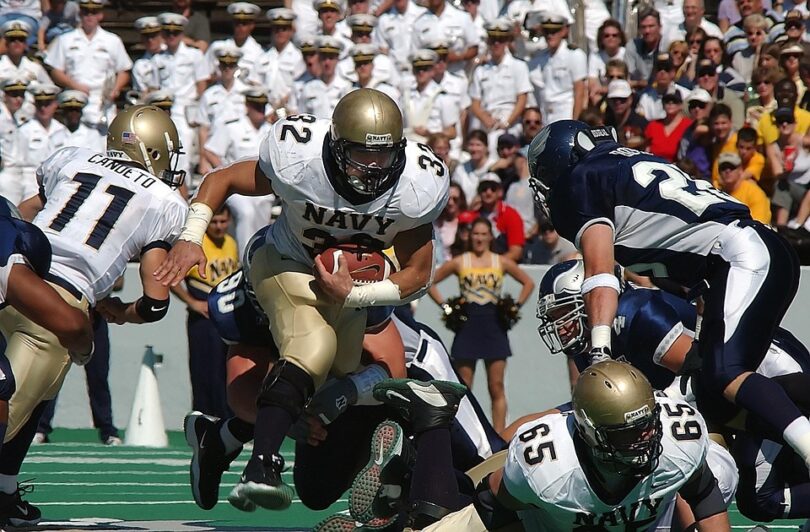


College football is more than just a sport; it’s a vibrant tapestry of traditions, rivalries, and unforgettable moments that ignite passions across the nation. As the popularity of college football has surged, so has the evolution of its traditions. From tailgating to fight songs, this article delves into the thrilling journey of college football traditions and their significance in shaping the experience of fans, players, and institutions alike.
The Birth of College Football Traditions
College football’s roots stretch back to the late 19th century when the first intercollegiate game was played between Princeton and Rutgers in 1869. Initially, the game was more akin to rugby than the football we know today. However, it was during this formative period that the seeds of tradition were planted. Schools began to establish identities, foster rivalries, and cultivate fan bases, setting the stage for the elaborate traditions we see today.
Early Traditions: The Formation of Identity
In the early years, many schools adopted unique colors, mascots, and cheers that reflected their spirit and academic values. For instance:
- Princeton Tigers donned orange and black, while their “Tiger” mascot became synonymous with fierce competition.
- Harvard Crimsons created a legacy with their chants and fight song, “Ten Thousand Men of Harvard,” that resonate to this day.
The Rise of Tailgating Culture
By the mid-20th century, another cornerstone of college football traditions emerged: tailgating. What started as simple gatherings of fans outside stadiums quickly evolved into elaborate events complete with barbecues, games, and camaraderie.
The Tailgating Experience
Today’s tailgating culture transforms stadium parking lots into vibrant festivals. Fans arrive hours before kickoff, setting up grills, lawn chairs, and hospitality tents. Popular traditions include:
- Food and Drink: Regional delicacies and drinks are shared among groups. From spicy chili in the South to clam chowder in New England, food serves as a way to connect.
- Games and Activities: Cornhole, beer pong, and football toss are just a few games that engage fans and create a lively atmosphere.
- Live Music: Local bands or even university groups often perform to elevate the pre-game excitement.
Fight Songs and School Spirits
Every college football program has its unique fight song that serves as a rallying cry for fans. These musical anthems not only commemorate victories but also create a sense of pride and unity among supporters. Songs like “Spirit of the Game” for the University of Michigan or “Rocky Top” for the University of Tennessee have become iconic and evoke nostalgia.
The Role of Marching Bands
College marching bands play a crucial role in enhancing the game-day experience. Their performances, from pre-game shows to halftime entertainment, captivate audiences and amplify the electric atmosphere. The traditions of marching bands have come to symbolize school spirit and unity. The Ohio State University Marching Band, for example, is known for its intricate formations and unique routines that entertain fans while honoring the sport.
Rivalry Games and Their Significance
Rivalry games are a highlight of the college football season. Matches between long-standing rivals create an electric environment, feeding off the history, competitive spirit, and fan loyalty. Perhaps some of the most notable rivalries include:
- The Iron Bowl: Auburn vs. Alabama
- The Red River Showdown: Texas vs. Oklahoma
- The Game: Harvard vs. Yale
These games often feature unique pre-game rituals, special uniforms, and heightened media attention, amplifying the traditions surrounding them.
The Impact of Technology on College Traditions
As society evolves, so do college football traditions. In recent years, technology has notably impacted how fans engage with the sport. Social media platforms, mobile apps, and live-streaming have transformed the way traditions are shared and celebrated:
- Live Streaming: Fans unable to attend games in person can still feel connected through live broadcasts and online commentary.
- Social Media Engagement: Platforms like Twitter and Instagram allow fans to share their experiences, creating a global community that transcends geographical limits.
- Augmented Reality: Some schools are using AR to enhance the game experience, creating interactive stadium environments.
Looking to the Future
As college football traditions continue to evolve, it is crucial to balance innovation with the core values that make the sport meaningful. While technology can enhance the experience, the essence of college football—community, rivalry, and passion—must remain at the forefront. Future generations will undoubtedly create new traditions that reflect their values and the changing landscape of college sports.
Conclusion
College football is a rich tapestry woven with history, spirit, and community. From tailgating to fight songs, every tradition adds to the unique atmosphere that makes the sport beloved across the United States. As we look to the future, it is essential to honor these traditions while embracing the changes that technology and cultural shifts bring. The thrill of college football will continue to resonate with fans, players, and institutions for years to come, ensuring that new traditions will emerge, enriching the already vibrant legacy of this cherished sport.
FAQs
What is the origin of college football traditions?
College football traditions originated in the late 19th century, with the first intercollegiate game played in 1869. Schools began to establish unique identities, leading to various traditions that reflect their spirit.
How did tailgating culture evolve?
Tailgating began as simple gatherings outside stadiums but evolved into elaborate social events with food, games, and music, providing fans a way to connect before the games.
What role do marching bands play in college football?
Marching bands serve as a vital part of college football by performing during pre-game ceremonies and halftime shows, enhancing the spirit and atmosphere of the games.
How has technology impacted college football traditions?
Technology has transformed fan engagement through live streaming, social media, and augmented reality, enabling broader access to games and wider sharing of experiences.