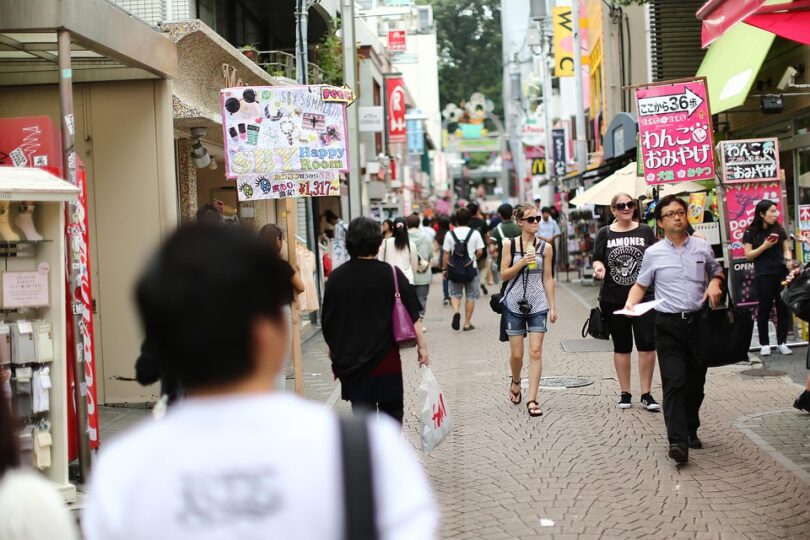


Harajuku, a district in Tokyo, Japan, has become synonymous with eclectic, innovative fashion. Known as the epicenter of youth culture, Harajuku fashion has transitioned from a local phenomenon to a global influence, carving a significant niche in the fashion world over the decades. This article delves into the rich evolution of Harajuku fashion, exploring its origins, key trends, and the way it has shaped and been shaped by global fashion influences.
Origins of Harajuku Fashion
Harajuku’s fashion scene can trace its roots back to the post-war era when youth culture began to flourish in Japan. The area gained prominence in the 1980s, with young people gathering to showcase their diverse styles, breaking away from traditional norms.
The name “Harajuku” itself is derived from the station which became a gathering point for fashion-forward youth. Influences from Western pop culture, combined with traditional Japanese aesthetics, led to the emergence of unique styles that characterized the neighborhood.
The 1990s: Birth of Subcultures
The 1990s saw the crystallization of various subcultures within Harajuku fashion. Each subculture brought its own signature style, contributing to the vibrancy of the fashion scene:
- Gothic Lolita: This style combines Victorian dress with a doll-like aesthetic, characterized by frilly dresses, petticoats, and accessories.
- Decora: Known for its bright colors and layered accessories, Decora fashion emphasizes playful and exuberant styling.
- Visual Kei: Influenced by Japanese rock musicians, this style features dramatic makeup, flamboyant hairstyles, and eclectic clothing.
The 2000s: Global Recognition
As the 2000s rolled in, Harajuku fashion gained international attention, particularly through the influence of celebrities and designers. The arrival of iconic figures such as Gwen Stefani brought the term “Harajuku Girls” into mainstream pop culture, showcasing the distinct styles of the district to a wider audience.
Fashion magazines and television shows began featuring Harajuku styles, inviting fashion enthusiasts from outside Japan to explore and adapt these trends. This exposure led to significant collaborations between Japanese designers and Western brands, further solidifying Harajuku’s influence on global fashion.
Contemporary Harajuku Fashion
In recent years, Harajuku fashion has continued to evolve, incorporating digital influences and sustainability. Social media platforms like Instagram and TikTok have played an essential role in the dissemination of Harajuku styles worldwide.
Today, many young designers and influencers draw inspiration from traditional motifs while infusing modern technology into their designs. This has led to a greater focus on sustainable practices, with many brands committed to ethical fashion.
Characteristics of Harajuku Fashion
Harajuku fashion is renowned for its distinctive characteristics that set it apart from other fashion trends. These include:
- Personal Expression: Many young people in Harajuku use fashion as a medium for self-expression, creating unique and individual styles.
- Layering: The art of layering different textures and colors is a hallmark of Harajuku fashion.
- DIY Culture: Customization and handmade pieces foster creativity, allowing individuals to express their identities.
Fashion Week and International Influence
Harajuku designers have begun to take center stage at international fashion weeks, showcasing their innovative creations alongside established global brands. This presence has not only elevated the status of Harajuku fashion but has also encouraged cross-cultural exchanges among fashion designers worldwide.
Conclusion
The evolution of Harajuku fashion from a localized street style to a global phenomenon highlights the dynamic interplay between culture, creativity, and community. As fashion continues to evolve, Harajuku remains a vibrant hub of inspiration, emphasizing the importance of individuality and self-expression in an increasingly uniform world.
FAQs
1. What defines Harajuku fashion?
Harajuku fashion is characterized by its eclectic mix of styles, individuality, and a focus on self-expression, often incorporating vibrant colors, layering, and unique accessories.
2. How has social media influenced Harajuku fashion?
Social media platforms have allowed for greater exposure of Harajuku styles globally, enabling fashion enthusiasts to share their looks and inspiring international adaptations.
3. Are there any popular subcultures in Harajuku today?
Yes, popular subcultures today include Gothic Lolita, Decora, and various modern interpretations that incorporate streetwear and sustainable practices.
4. Can anyone participate in Harajuku fashion?
Absolutely! Harajuku fashion encourages individuality, making it accessible for anyone who wishes to express themselves through unique clothing styles.
5. Where can one find Harajuku fashion?
Harajuku fashion can be found in specialty shops throughout the Harajuku district in Tokyo, as well as through various online retailers offering similar styles.