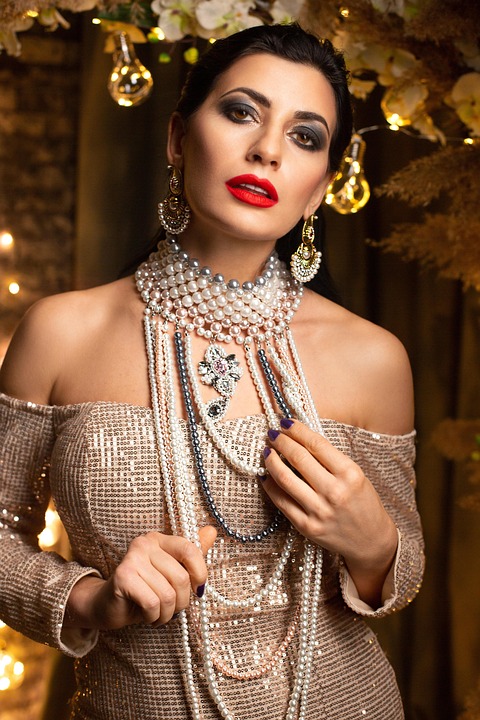


Luxury fashion has always fascinated consumers around the world. It represents not only style and sophistication but also status and identity. Over the decades, the playing field has transformed dramatically, shifting from the exclusivity of haute couture to the vibrant and inclusive realm of street style. This article explores this evolution and the factors that have shaped contemporary luxury fashion.
1. The Rise of Haute Couture
Haute couture, which translates to “high sewing,” emerged as an elite branch of fashion in the mid-19th century, primarily in Paris. Not limited to mere clothing, it embodies artistry, craftsmanship, and high-quality materials. Designers like Charles Frederick Worth, known as the father of haute couture, pioneered this art form by establishing the first haute couture house in 1858. Worth’s designs often featured custom-made garments fit for wealthy clients, which set the standard for luxury fashion.
2. The Golden Age of Fashion
The early 20th century marked a golden age for haute couture. Iconic fashion houses such as Chanel, Dior, and Balenciaga emerged, creating groundbreaking designs that influenced not just fashion, but society as a whole. Coco Chanel liberated women from the constraints of corsets, introducing the simplicity and elegance of the little black dress. Christian Dior’s “New Look” in 1947, characterized by an hourglass silhouette, revived post-war fashion and established a new standard for femininity.
3. The Influence of Pop Culture
The rise of cinema and music culture in the 1960s and 70s further influenced luxury fashion. Hollywood icons like Audrey Hepburn and Elizabeth Taylor became trendsetters, endorsing designers and creating a strong link between celebrity culture and fashion. Fashion began to be more accessible as designers created ready-to-wear collections, allowing a broader audience to embrace luxury styles without the bespoke tailoring of haute couture.
4. The Advent of Street Style
In the 1980s and 90s, the concept of street style began to gain prominence. This grassroots fashion movement was characterized by individual expression rather than adherence to high-fashion trends. Influenced by youth subcultures, punk, hip-hop, and graffiti art, street style entered the luxury fashion narrative. Renowned designers like Jean-Paul Gaultier and Vivienne Westwood began to incorporate elements of street culture, blurring the lines between high fashion and everyday aesthetics.
5. The Digital Revolution
With the advent of the internet and social media in the early 2000s, luxury fashion underwent another transformation. Platforms like Instagram and TikTok allowed fashion influencers and everyday consumers to share their style, democratizing fashion in unprecedented ways. Luxury brands began engaging with their audiences through digital channels, leading to collaborations with streetwear brands like Supreme and Off-White, which challenged traditional norms of luxury.
6. Sustainability and Inclusivity
Today, the luxury fashion industry is facing new challenges and opportunities regarding sustainability and inclusivity. As consumers grow increasingly conscious of environmental issues, brands are innovating by incorporating sustainable materials and ethical production practices into their collections. Additionally, inclusivity has become a focal point, with brands showcasing diverse models and catering to various body types. Luxury fashion is now beginning to redefine elegance as inclusive and sustainable, moving beyond its traditional boundaries.
Conclusion
The evolution of luxury fashion from haute couture to street style reflects broader cultural shifts and consumer sentiments throughout history. What began as an exclusive domain for the elite is now a dynamic and multifaceted industry characterized by creativity, inclusivity, and sustainability. Designers continue to push the boundaries of fashion, making it an ever-evolving narrative that invites everyone to participate in the dialogue of what luxury means in the contemporary world.
FAQs
1. What is haute couture?
Haute couture refers to high-end fashion that is custom-fitted and made from high-quality, expensive fabrics. Designers create unique pieces for specific clients, emphasizing craftsmanship and artistry.
2. How did street style become popular?
Street style became popular in the 1980s and 90s as a reflection of youth culture, drawing inspiration from subcultures like punk and hip-hop. It emphasizes individual expression and has since been embraced by luxury brands.
3. How has digital media impacted luxury fashion?
Digital media, especially social media, has transformed luxury fashion by enabling brands to connect directly with consumers, showcase their collections, and collaborate with influencers. This has democratized fashion and made it more accessible.
4. Why is sustainability important in luxury fashion?
Sustainability is crucial in luxury fashion due to the industry’s significant environmental impact. Brands are increasingly seeking sustainable materials and ethical production practices to appeal to conscious consumers.
5. How do luxury brands approach inclusivity?
Luxury brands are increasingly focusing on inclusivity by showcasing diverse models and expanding their size ranges, aiming to create a more relatable and welcoming brand image for consumers of all backgrounds.