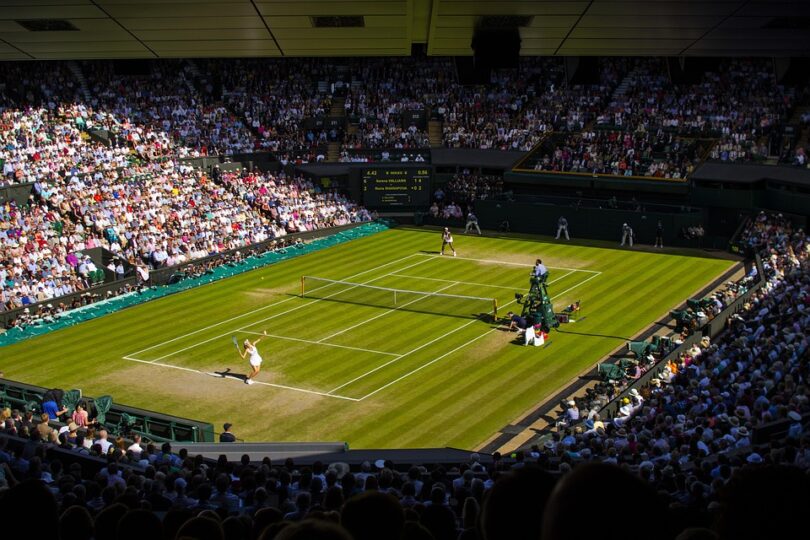


Wimbledon, often hailed as the pinnacle of tennis, embodies the spirit and history of the sport. Established in 1877, it started as a modest lawn tennis tournament and has since transformed into a global event that captivates millions. This article explores the journey of Wimbledon, tracing its roots, growth, and the factors that have contributed to its status as a world-renowned spectacle.
Early Beginnings: The Birth of Tennis
The origins of tennis can be traced back to the late 19th century when it was played as a game called “lawn tennis.” The first Wimbledon Championship took place on July 19, 1877, at the All England Croquet and Lawn Tennis Club in southwest London. Initially, the event featured only men’s singles matches, with 22 players participating in a single-elimination format.
The tournament aimed to provide a platform for the burgeoning sport and quickly garnered interest. The inaugural winner, Spencer Gore, became the first champion, taking home a silver cup that weighed 7.5 ounces. The initial prize was modest, but the seeds of a prestigious event were sown.
Women’s Participation and Growth in Popularity
The inclusion of women in the tournament in 1884 marked a significant milestone. Maud Watson became the first female champion, paving the way for women’s tennis as an essential aspect of the competition. The success of female players contributed to the growing popularity of the event.
By the late 19th and early 20th centuries, Wimbledon began attracting attention from the public and the media. As the sport continued to grow, so did the scale of the event. The introduction of mixed doubles in 1913 further showcased the talent and competitiveness of both genders.
The War Years and Resilience
The two World Wars brought significant challenges to Wimbledon. During these tumultuous times, the tournament was suspended, yet its spirit remained intact. The resilience of the organizers and participants ensured that as peace returned, so did the celebrations of tennis.
The post-war era saw an explosion of interest in the sport, with Wimbledon’s reputation growing internationally. The tournament became a symbol of recovery and resilience, drawing players and spectators from around the globe.
The Open Era: A New Dawn for Tennis
The 1968 season introduced the Open Era, allowing professional players to compete alongside amateurs. This shift revolutionized tennis and elevated the status of Wimbledon. Legendary players like Björn Borg, John McEnroe, and Martina Navratilova entered the scene, further popularizing the sport.
Wimbledon became synonymous with prestige and excellence, with its iconic grass courts and the traditional all-white dress code adding to its charm. The tournament not only showcased top-level tennis but also emerged as a cultural phenomenon, with royal patronage and celebrity appearances becoming commonplace.
The Modern Era: From Local Affair to International Spectacle
As technology advanced, so did the global reach of Wimbledon. Television broadcasts in the late 20th century brought the tournament to living rooms worldwide, making it a staple of summer sports and culture. The introduction of digital media and social platforms further enhanced its visibility, engaging a younger audience.
Moreover, the expansion of sponsorships and commercial partnerships transformed Wimbledon into a lucrative enterprise. The tournament’s economic impact on London and the UK became apparent, contributing to tourism and local business growth.
Embracing Diversity and Progress
In recent years, Wimbledon has taken significant steps toward inclusivity and innovation. Initiatives aimed at increasing participation among underrepresented groups and growing the sport at the grassroots level reflect a commitment to equity in tennis.
Technological advancements have also shaped the tournament, from enhanced player analytics to improved fan experiences at the venue. Innovations like Hawk-Eye technology changed the dynamics of officiating, ensuring fairness and precision in every match played.
Conclusion
The evolution of Wimbledon from a small local tournament to a global spectacle is a testament to the enduring appeal of tennis. It has become a celebration of sportsmanship, tradition, and excellence. With a rich history and a promising future, Wimbledon will continue to inspire generations of players and fans alike, embodying the spirit of the game.
FAQs
1. When was Wimbledon first held?
Wimbledon first took place on July 19, 1877.
2. Who was the first female champion of Wimbledon?
The first female champion of Wimbledon was Maud Watson, who won in 1884.
3. What years did Wimbledon get suspended?
Wimbledon was suspended during both World War I and World War II.
4. What is the significance of the Open Era?
The Open Era, which began in 1968, allowed professional players to compete in tournaments, elevating the level of competition in tennis.
5. How has technology influenced Wimbledon?
Technology has enhanced the fan experience through better broadcasts, player analytics, and officiating innovations like Hawk-Eye.