




Introduction
Virtual Reality (VR) has transformed from an imaginative concept into a sophisticated technology that reshapes how we interact with information and the digital world. This article explores the journey of VR, tracing its historical roots, technological advancements, and its future potentials across various industries.
The Early Days of Virtual Reality
The origins of VR can be traced back to the 1960s with the invention of the “Sword of Damocles,” a rudimentary head-mounted display created by Ivan Sutherland. This pioneering device showcased the concept of immersing users in a virtual environment, albeit with limited graphics and motion tracking capabilities. The technology remained largely experimental for decades, primarily within academic and military research labs.
The Rise of VR in the 1990s
The 1990s marked a significant turning point for VR as it gained attention in popular culture. Companies like Sega and Nintendo introduced VR gaming concepts, though the technology was still in its infancy. The Virtuality Group, for example, launched arcade gaming machines featuring basic VR experiences. Despite high expectations, consumer-grade VR remained limited due to issues with graphics, comfort, and cost.
21st Century: The Resurgence of Virtual Reality
The 21st century saw a renaissance in VR technology, spearheaded by advancements in computer graphics, motion tracking, and display technology. In 2010, Palmer Luckey created the Oculus Rift prototype, which garnered significant attention and funding through a Kickstarter campaign. This success paved the way for several VR startups and sparked renewed interest from tech giants like Sony and HTC.
Current State of VR Technology
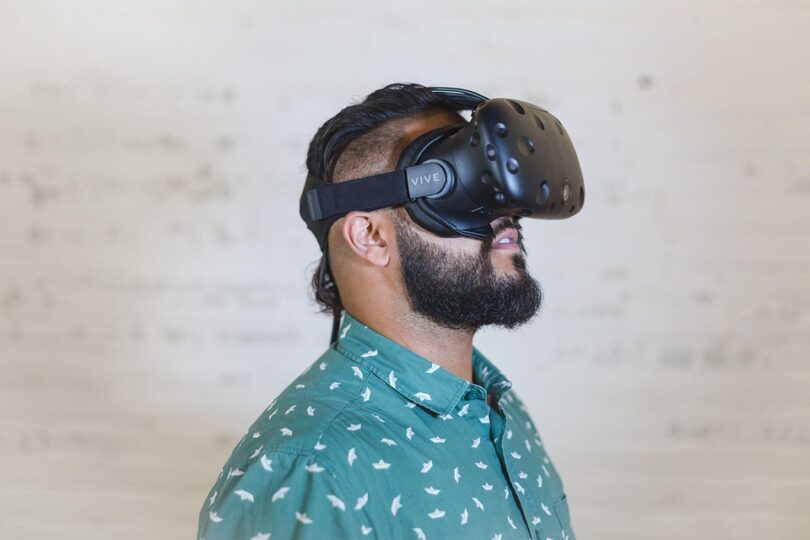
Today, VR has advanced to become a multi-billion-dollar industry with applications stretching across various sectors. These include gaming, education, healthcare, and real estate. Advanced headsets like the Oculus Quest, HTC Vive, and PlayStation VR offer immersive experiences with high-quality graphics and reduced latency, enhancing user engagement.
Gaming and Entertainment
The gaming industry has been a primary driver of VR adoption. Titles like “Beat Saber” and “Half-Life: Alyx” showcase the immersive storytelling and gameplay experiences VR can offer. VR arcades are also emerging, allowing users to experience high-end VR without the need for personal equipment.
Healthcare Applications
In healthcare, VR is being utilized for training, therapy, and pain management. Medical professionals use VR simulations for surgical training, while therapy applications assist patients in overcoming phobias or PTSD through controlled virtual environments.
Educational Transformations
Education is poised for transformation with VR. Virtual classrooms enable immersive learning experiences, allowing students to explore historical sites or conduct complex scientific experiments without leaving the classroom. Companies are actively developing educational content tailored for VR environments.
The Future of VR Technology
Looking ahead, the potential for VR is limitless. Emerging technologies, such as artificial intelligence, are being integrated with VR to create even more personalized experiences. The concept of the Metaverse, an expansive virtual universe where users can socialize, work, and play, encapsulates the goal of seamless VR integration into daily life.
However, challenges remain. Issues regarding user safety, accessibility, and the digital divide must be addressed to ensure broad adoption. Additionally, ethical considerations will arise as VR experiences become increasingly realistic.
Conclusion
The journey of virtual reality from its rudimentary origins to its current status as a cutting-edge technology underscores the rapid advancements in computing and user experience design. With continued investment and innovation, VR has the potential to revolutionize various aspects of life, from entertainment to education and beyond. The future holds exciting possibilities, but it is essential to navigate the accompanying challenges responsibly to maximize the benefits of this transformative technology.
FAQs
Q1: What is Virtual Reality?
A1: Virtual Reality (VR) is a simulated experience that can replicate or create real-life environments, allowing users to interact with 3D worlds using special equipment, such as headsets and motion controllers.
Q2: How has VR evolved over the years?
A2: VR has evolved from simple head-mounted displays in the 1960s to advanced, immersive systems used in gaming, training, therapy, and education, powered by significant technological advancements.
Q3: What industries are using VR technology?
A3: VR technology is used in various industries including gaming, healthcare, education, real estate, and military training, among others.
Q4: What are the challenges facing VR technology?
A4: Some challenges include user safety, accessibility, high equipment costs, and the need for guidelines addressing ethical concerns related to immersive experiences.
Q5: What is the future of VR?
A5: The future of VR is likely to see greater integration with AI and the development of the Metaverse, enhancing user experiences and expanding applications across various fields.


