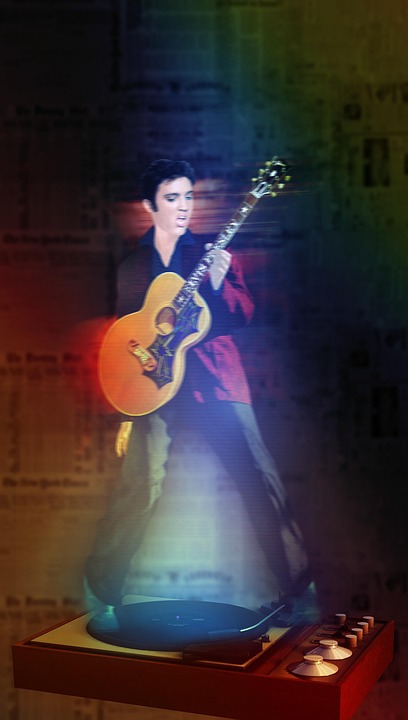


Live music has always held a special place in the hearts of fans around the world. The experience of attending a concert offers a unique connection between artists and their audience. However, with advancements in technology, we are witnessing the rise of a new form of performance: hologram concerts. This article delves into the exciting world of hologram concerts and how they are shaping the future of live music.
What Are Hologram Concerts?
Hologram concerts utilize advanced projection technologies to create lifelike, three-dimensional images of performers on stage. These holograms can be pre-recorded performances or even real-time projections, providing a unique way for fans to experience their favorite artists. Major icons such as Tupac Shakur and Whitney Houston have already made headlines with their hologram performances, igniting a conversation about the future of live music.
The Technology Behind Hologram Concerts
The technology that makes hologram concerts possible involves a combination of 3D imaging, motion capture, and sophisticated projection systems. Using motion capture, artists’ movements are recorded and then translated into a holographic projection. This allows for a realistic representation of the performer, making it seem as though they are actually on stage. As technology advances, these holograms are becoming more lifelike, with better sound quality and visual detail, enhancing the overall experience.
Benefits of Hologram Concerts
- Reviving Legendary Artists: Hologram concerts offer the possibility of bringing deceased artists back to the stage, allowing fans to experience their music in a new and dynamic way.
- Global Access: With the ability to stream concerts online, fans from around the world can enjoy performances from the comfort of their homes, breaking geographical barriers.
- Customization: Hologram performances can be easily customized for different audiences or venues, offering a unique experience tailored to each event.
- Cost-Effective: Although initial costs can be high, hologram concerts may reduce costs over time by minimizing the need for large-scale touring and personal appearances.
Challenges and Controversies
Despite the advantages, the rise of hologram concerts is not without challenges. One of the most significant concerns is the ethical issue surrounding the use of holograms of deceased artists. Some fans appreciate the opportunity to see their favorite artists again, while others believe that it is disrespectful to exploit a legacy posthumously. Moreover, there is the question of whether holograms can perform authentically without the emotion and nuance that a live artist brings to a performance.
Case Studies: Hologram Concerts in Action
Several notable hologram concerts have taken place over the years. In 2012, Tupac Shakur made a significant impact when he appeared at Coachella, delivering a performance that was both nostalgic and groundbreaking. Similarly, a hologram of Whitney Houston performed during the “An Evening with Whitney” tour, allowing fans to hear her iconic voice and see her in a new light. These performances have generated intrigue and sparked discussions about the potential for future holographic shows.
The Role of Virtual Reality
As the technology for holograms evolves, we also see a convergence with virtual reality (VR). Some companies are developing VR platforms that integrate holographic elements, allowing fans to create immersive environments that enhance the concert experience. This could mean being able to attend a holographic concert from anywhere in the world, providing a richer connection to the music and the performer.
Conclusion
The future of live music is undoubtedly intriguing, with hologram concerts leading the charge into a new era of performances. While they offer a remarkable way to connect with music and artists, particularly those who are no longer with us, the ethical considerations and authenticity of such experiences remain vital topics of discussion. As technology continues to advance, it will be fascinating to observe how holograms and live performances coexist and shape the music industry moving forward.
FAQs
1. How do hologram concerts work?
Hologram concerts use advanced projection technology, motion capture, and 3D imaging to create lifelike representations of artists on stage, allowing for unique performances.
2. Are hologram concerts live events?
Hologram concerts can be live or pre-recorded. Some may incorporate real-time projection of holograms during performances.
3. Can holograms replace live performers?
While holograms can offer unique experiences, many fans believe they can never fully replace the emotional connection and authenticity of a live performer.
4. Are there any ethical concerns with hologram performances?
Yes, there are ethical concerns regarding the posthumous use of deceased artists’ likenesses, including whether it’s respectful or exploitative.
5. What is the future outlook for hologram concerts?
The future for hologram concerts looks promising with ongoing advancements in technology and increasing acceptance among fans and the music industry.