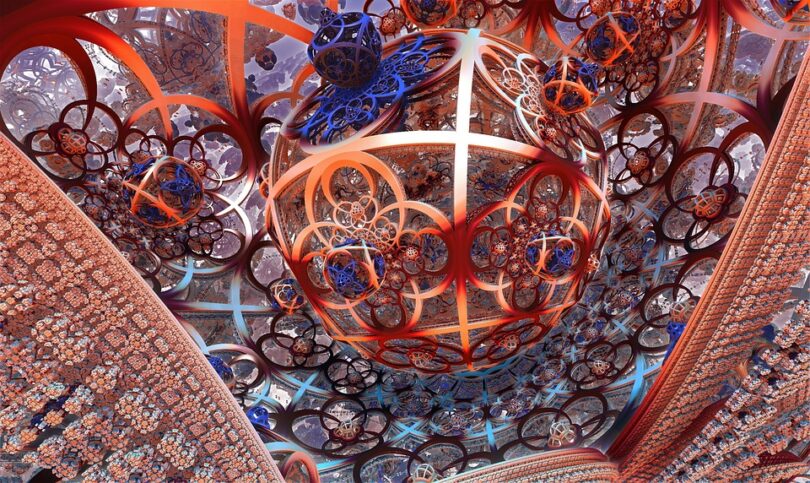


In recent years, the art world has witnessed a groundbreaking phenomenon: the rise of generative art. This innovative form of creativity leverages algorithms, computer programming, and artificial intelligence (AI) to produce visually stunning artworks that challenge traditional notions of artistry. As artists and technologists continue to collaborate, generative art is reshaping not only how art is created but also how it is perceived, bought, and sold.
What is Generative Art?
Generative art refers to art that is created with the use of autonomous systems, such as algorithms or codes. Unlike traditional artwork that is predominantly created by human hands, generative art relies on mathematical formulas and computer programs to generate unique designs and compositions. The artist defines the parameters and rules of the system, while the algorithm does the heavy lifting, producing endless variations of art in real time.
The Intersection of Art and Technology
The fusion of art and technology is not new; however, the rapid development of computational power and AI has opened new avenues for creativity. Artists can now use coding languages such as Processing, p5.js, and OpenFrameworks to create intricate visual landscapes, animations, and interactive installations. This convergence allows for experimentation that was previously unimaginable.
Historical Context
The roots of generative art can be traced back to the 1960s when artists began using computers as creative tools. Pioneers like Frieder Nake, Harold Cohen, and Vera Molnár pioneered algorithmic art, laying the groundwork for future generations. However, it wasn’t until the 21st century, with the increasing accessibility of technology, that generative art exploded into the mainstream.
The Role of Artificial Intelligence in Generative Art
Artificial intelligence has taken generative art to new heights. With machine learning and deep learning, algorithms can now analyze vast datasets, learning patterns and styles to produce artwork that mimics various artistic movements. For instance, GANs (Generative Adversarial Networks) have gained popularity for their ability to create hyper-realistic images and artworks.
Cultural Impact
The cultural implications of generative art are profound. It democratizes the artistic process, allowing anyone with access to technology to experiment and create. Platforms like ArtBreeder and Runway ML enable users to generate unique artworks with minimal coding knowledge. This accessibility is reshaping traditional art education and the criteria for what constitutes “real” art.
Market Dynamics: Buying and Selling Generative Art
The generative art movement has also made a significant impact on the art market. NFT (Non-Fungible Token) technology has ushered in a new era for digital artists, allowing them to sell their generative works as unique pieces of ownership. Artists can now tokenize their work, ensuring scarcity and enabling collectors to invest in digital art in innovative ways.
Notable Generative Artists and Projects
Several artists have become prominent figures in the generative art space. For example, Refik Anadol uses data and AI to create immersive installations that transform entire spaces into dynamic artistic experiences. Another notable artist, Casey Reas, co-founder of Processing, continues to push the boundaries of algorithmic creativity.
Challenges and Criticisms
While generative art presents exciting opportunities, it also faces criticism and challenges. Skeptics question whether art produced by algorithms can carry the same emotional depth as traditional works. There is also an ongoing debate about copyright ownership—who owns an artwork generated by an algorithm, the programmer, or the computer itself?
The Future of Generative Art
The future of generative art is bright, with endless possibilities for innovation. As technology continues to evolve, so will the methods and mediums available to artists. We may see hybrid forms of art that blend generative techniques with traditional crafts, resulting in even more complex and engaging artistic experiences.
Conclusion
The rise of generative art signifies a transformative moment in the art world. This new era of creativity not only expands the definition of art but also challenges our perceptions of authorship, creativity, and aesthetics. As artists and technologists collaborate, the potential for groundbreaking works of art is limitless, inviting viewers into an immersive world of creativity that bridges the gap between humanity and technology.
FAQs
1. What is generative art?
Generative art is artwork created through the use of algorithms and autonomous systems, where the artist sets the parameters and the system generates unique compositions.
2. How does artificial intelligence influence generative art?
AI algorithms can analyze existing datasets to learn styles and patterns, enabling them to produce artwork that mimics various artistic movements or create entirely new concepts.
3. Can generative art be sold as traditional art?
Yes, generative art can be tokenized and sold as NFTs, providing a way for artists to monetize their digital creations effectively.
4. Who are notable generative artists?
Prominent generative artists include Refik Anadol and Casey Reas, who are known for their innovative use of technology in art.
5. What are the criticisms surrounding generative art?
Critics question the emotional depth of algorithmically generated art and challenge issues of authorship and copyright ownership.