


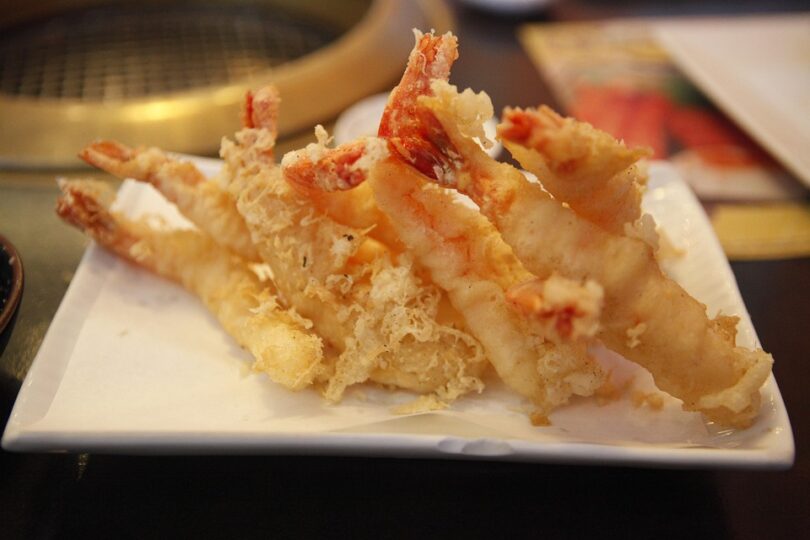


Tempura is a beloved Japanese dish known for its crispy, light texture and vibrant flavors. Originating in the 16th century, it has evolved from a simple method of frying vegetables and fish into a culinary art form. This article will guide you through the intricacies of tempura preparation, classic recipes, and pro tips for achieving the perfect bite.
Understanding Tempura
Tempura is a cooking technique that involves coating food in a light batter and deep-frying it. The key to excellent tempura is the batter, which should be airy and delicate. Traditional tempura uses a combination of cold water, flour, and sometimes egg, but variations abound.
Classic Tempura Dishes
1. Vegetable Tempura
Vegetable tempura is a staple dish, showcasing seasonal produce. Some popular vegetables used in tempura include:
- Sweet potatoes
- Zucchini
- Bell peppers
- Carrots
- Broccoli
2. Shrimp Tempura
Shrimp tempura features juicy shrimp coated in a light batter, making for a deliciously crispy treat. Select medium to large shrimp for the best result.
3. Mixed Tempura
A combination of different ingredients, mixed tempura can include both vegetables and seafood, creating a diverse tasting experience.
Tempura Batter Preparation
To create the perfect tempura batter, follow these steps:
- Start with cold water. You can even use ice water for an even lighter batter.
- Add flour (and egg if desired). Use low-protein flour, such as cake flour, to make the batter tender.
- Mix lightly. Avoid overmixing; some lumps are okay.
Remember, the batter should be thin for optimal crispiness.
Tips for Perfect Tempura
Here are some essential tips to ensure your tempura comes out perfectly:
- Temperature Matters: Keep your oil at the right temperature (around 170-180°C or 340-360°F) for crispy results.
- Dry Ingredients: Make sure your vegetables and seafood are dry to avoid oil splatter and sogginess.
- Fry in Batches: Don’t overcrowd the pot to maintain the oil temperature.
- Rest Before Serving: Let the tempura rest on a wire rack for a minute before serving to retain crispiness.
Conclusion
Mastering tempura can elevate your cooking skill and impress your guests. With practice and attention to detail, you can create delicious, crispy, and light dishes that celebrate the essence of this Japanese culinary tradition. Experiment with different ingredients and flavors to personalize your tempura experience and enjoy the journey of mastering this delightful art.
FAQs
What type of oil is best for frying tempura?
Light oils with high smoke points, such as vegetable oil, canola oil, or peanut oil, are best for frying tempura.
Can I make tempura ahead of time?
Tempura is best served fresh. If needed, you can prepare the batter and ingredients beforehand but fry them just before serving.
What should I serve with tempura?
Tempura is often served with dipping sauces such as tentsuyu, which is a mix of dashi, soy sauce, and mirin, alongside grated daikon and green onions.
Can I use gluten-free flour for tempura?
Yes, you can use gluten-free all-purpose flour or a mixture of rice flour and cornstarch to create a gluten-free tempura batter.


