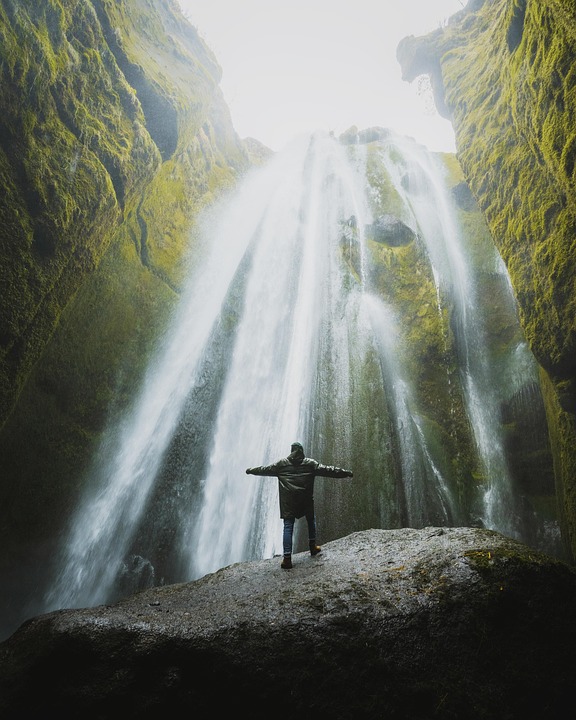


Iceland, known as the Land of Fire and Ice, offers breathtaking landscapes, rich culture, and a wealth of adventures for all types of travelers. From its dramatic volcanoes and vast glaciers to the vibrant nightlife of Reykjavik, Iceland is a destination that promises memories of a lifetime. If you are planning a trip to this enchanting island, here are some essential travel tips to enhance your experience.
1. Best Time to Visit
The best time to visit Iceland depends on the type of experience you seek. The summer months, from June to August, offer long daylight hours, milder weather, and accessibility to highland roads. However, if you are a fan of the Northern Lights, visiting between September and April would be ideal, as the dark nights offer the perfect canvas for this natural phenomenon.
2. Getting Around
Iceland’s public transport system can be limited, especially outside Reykjavik. Renting a car is one of the best ways to explore the island’s stunning sights at your own pace. Consider renting a 4×4 vehicle if you plan to venture into the highlands or during winter months when road conditions can be challenging.
3. Packing Essentials
Weather in Iceland can be unpredictable. Pack layers, including thermal innerwear, water-resistant jackets, and sturdy hiking boots. Don’t forget essentials like a reusable water bottle, camera, and power adapters (Iceland uses the European two-pin plug). It’s also advisable to bring sunscreen and sunglasses, even during winter, due to the reflections off snow and ice.
4. Embrace the Outdoors
With its incredible landscapes, Iceland is a haven for outdoor enthusiasts. Take advantage of opportunities to hike in places like Þingvellir National Park, explore geothermal areas like the Reykjadalur Hot Springs, or trek across glaciers in Vatnajökull National Park. Always adhere to marked trails and respect the natural environment.
5. Immerse Yourself in Culture
While Iceland is famous for its natural wonders, its culture is equally fascinating. Visit the National Museum of Iceland in Reykjavik to learn about Viking history, or check out local art galleries and music venues. Be sure to indulge in traditional Icelandic cuisine, including dishes like lamb soup or skyr, and don’t miss the chance to visit a local bakery for a slice of delicious rye bread.
6. Respect the Environment
Icelanders are incredibly passionate about their natural surroundings. To help preserve this beautiful country, stick to marked paths, avoid picking plants, and dispose of waste responsibly. Additionally, practice responsible photography by not disturbing wildlife or venturing into restricted areas.
7. Connectivity
While Reykjavik offers excellent Wi-Fi connectivity, internet availability can be sparse in remote areas. Consider getting a local SIM card for your phone or renting a portable Wi-Fi device if you need to stay connected. This is especially useful for navigation when driving through the countryside.
Conclusion
Iceland is a magical destination that offers something for everyone, whether you’re an adventurer, a nature lover, or a culture enthusiast. By considering these essential travel tips, you will be better prepared to make the most of your trip and fully embrace the unique experiences this stunning country has to offer. Remember to travel responsibly, and you’ll leave with not just pictures, but cherished memories of your Icelandic adventure.
FAQs
1. Is it safe to travel to Iceland?
Yes, Iceland is considered one of the safest countries in the world, with low crime rates and friendly locals. However, always take precautions when exploring nature, as weather conditions can change rapidly.
2. Do I need to rent a car in Iceland?
While it is not mandatory, renting a car is highly recommended to explore more remote areas and enjoy the flexibility of moving at your own pace. Public transport can be limited outside of Reykjavik.
3. What currency is used in Iceland?
The currency in Iceland is the Icelandic króna (ISK). Credit and debit cards are widely accepted, even for small purchases, so carrying cash is not necessary.
4. Can you see the Northern Lights in Iceland?
Yes, the Northern Lights can be seen in Iceland from September to April. To increase your chances, head away from city lights and check the aurora forecast.
5. Are there any health precautions to consider?
Iceland has excellent healthcare facilities, and emergency services are readily available. It’s wise to have travel insurance and consider any necessary vaccinations prior to your trip.