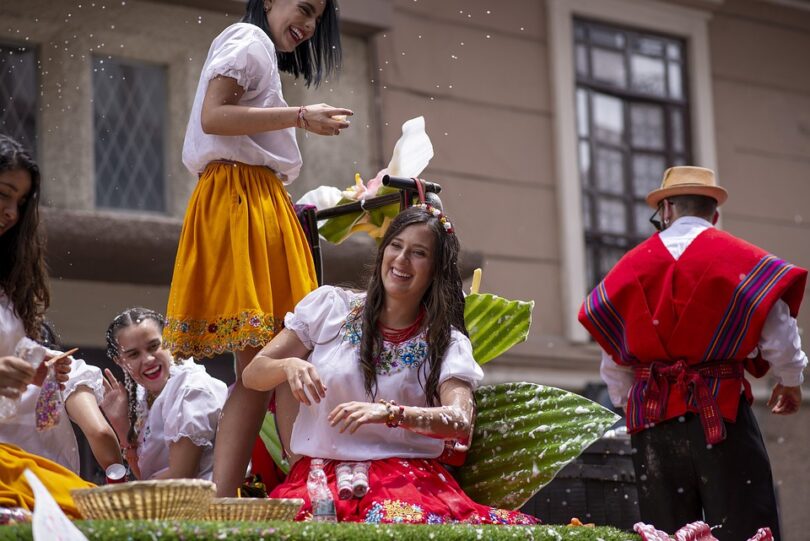


Diversity is one of humanity’s most valuable attributes. While the world is filled with various cultures, languages, and traditions, cultural festivals provide an opportunity to experience these diverse heritages firsthand. This article offers a glimpse into some of the most exciting upcoming cultural festivals from different parts of the globe.
Why Cultural Festivals Matter
Cultural festivals play an essential role in fostering understanding and appreciation among people of different backgrounds. They serve not only as a platform for artistic expression but also as a means to promote social cohesion. Here are a few benefits of attending these festivals:
-
- Promoting Tolerance: Festivals provide a space where individuals can learn about and appreciate different beliefs and customs.
-
- Strengthening Community Bonds: These events foster a sense of belonging and unity among participants and attendees.
-
- Encouraging Artistic Expression: Cultural festivals celebrate music, dance, and art, allowing local artists to showcase their talents.
-
- Boosting Local Economies: Festivals attract tourists, benefiting local businesses and artisans.
Upcoming Cultural Festivals Around the World
1. Diwali – India
When: November 12, 2023
Diwali, also known as the Festival of Lights, is one of the most significant Hindu festivals celebrated across India and by Indian communities worldwide. The festival symbolizes the victory of light over darkness and good over evil. Homes are illuminated with diyas (oil lamps), and festive sweets and delicacies are shared among family and friends.
2. Carnival – Brazil
When: February 17-22, 2023
Brazil’s Carnival is an extravagant festival that takes place before Lent. Known for its vibrant parades featuring samba music, elaborate costumes, and street parties, Carnival attracts millions of participants and visitors each year. It’s a perfect showcase of Brazilian culture and a lively expression of joy and unity among diverse communities.
3. Chinese New Year – Worldwide
When: January 22, 2023
Chinese New Year, also known as the Spring Festival, is marked by celebrations that last for several days. It is celebrated by millions across the globe, featuring traditional dragon dances, lantern festivals, and family gatherings to honor ancestors. People also prepare special meals and exchange red envelopes containing money, symbolizing good luck.
4. Holi – India
When: March 8, 2023
Holi, the Festival of Colors, signifies the arrival of spring and the victory of good over evil. Participants throw colored powders and liquids at each other, dance, and enjoy festive foods. Holi fosters a spirit of togetherness and joy, breaking down social barriers as people of all backgrounds participate in the celebrations.
5. Oktoberfest – Germany
When: September 16 – October 3, 2023
Oktoberfest is the world’s largest Volksfest (beer festival and traveling funfair) held annually in Munich, Germany. It features numerous attractions, including amusement rides, parades, and food stalls. Millions from across the globe gather to enjoy traditional German food, music, and, of course, beer in a warm, festive atmosphere.
6. La Tomatina – Spain
La Tomatina is a unique festival held in Buñol, Spain, where participants throw tomatoes at each other in a massive food fight. This event celebrates friendship and fun while honoring the town’s tradition. It draws crowds from around the world, making it a significant cultural gathering.
Conclusion
Cultural festivals are invaluable opportunities to learn about and embrace diversity. They allow us to celebrate our differences while recognizing our shared humanity. As you plan your travels in the upcoming months, consider attending one or more of these festivals. Not only will you have a great time, but you’ll also contribute to the preservation of cultural legacies and the promotion of understanding among diverse communities globally.
FAQs
1. What should I wear to cultural festivals?
It often depends on the specific festival and region. For festivals like Diwali or Holi, traditional attire can enhance the experience. For events like Oktoberfest, wearing lederhosen or dirndls is encouraged, while casual comfort works best for others.
2. Is it necessary to know the local language to enjoy a cultural festival?
No, it’s not essential, but knowing a few basic phrases can enrich your experience. Most attendees are welcoming and happy to interact with visitors, regardless of language barriers.
3. Are cultural festivals family-friendly?
Many cultural festivals offer activities and entertainment suitable for all ages. However, it’s wise to check the festival’s website or promotional materials for specific information on family-friendly options.
4. How can I contribute to preserving cultural festivals?
Participating in festivals, supporting local artisans and businesses, and respecting the customs and traditions being celebrated can all contribute to the preservation of cultural heritage.