

Live performances have an unparalleled energy that captivates audiences. Whether it’s a concert, theater production, or dance recital, the emotions encapsulated within these moments are fleeting yet profound. For photographers, capturing the essence of live performances is both a challenge and an art form. This article will explore the technical and creative aspects of live performance photography, the importance of preparation, and how to convey emotion through images.
The Importance of Preparation
Preparation is key for any photographer, but it takes on a heightened significance when shooting live performances. Understanding the venue, the lighting conditions, and the performers’ routines can make or break a shoot. Visit the location beforehand to scout out the best angles and assess the light. Familiarity with the stage layout allows photographers to anticipate moments that can be captured from the right vantage points.
One of the most critical aspects of preparation is knowing the genre of performance. A rock concert is a vastly different environment than a ballet. Each genre has its own unique atmosphere, pacing, and key moments. For example, in a concert, there might be dynamic light changes, while in a theater setting, the focus may be on subtle facial expressions. By doing thorough research, photographers can align their shooting style with the artistic intent of the performance.
Understanding Your Equipment
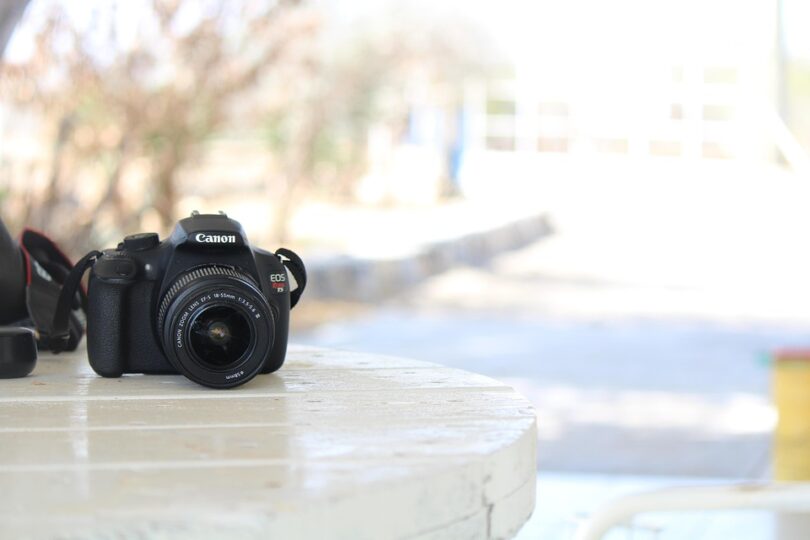
When it comes to live performance photography, the choice of equipment plays a pivotal role. Fast lenses with wide apertures (like f/2.8 or wider) are essential for low-light conditions, allowing for a faster shutter speed to capture sharp images. DSLRs and mirrorless cameras that excel in high ISO performance are usually preferred, as they can maintain image quality in challenging lighting.
Additionally, knowing your camera settings is crucial. A photographer should be well-versed in manual mode to quickly adjust exposure settings during a performance. Utilizing burst mode can also capture fast action, ensuring that no moment is missed. The ability to adapt to changing conditions is vital, especially with varying stages of light during different acts.
Capturing Emotion Through Composition
Composition is a foundational element in photography that can dramatically influence how an image communicates emotion and story. The rule of thirds is a great starting point, helping to guide the viewer’s eye to significant elements within the frame. Additionally, using leading lines can draw attention toward the performers and enhance dynamism in the photograph.
Another technique is to capture candid moments. While posed shots have their place, the unscripted, raw emotions displayed during a live performance often yield the most powerful images. A genuine expression of joy, intensity, or even vulnerability can convey a story that resonates with the audience long after the performance has ended.
Utilizing Different Perspectives
Varying your perspective can also enhance the storytelling aspect of performance photography. Shoot from the front, sides, or even the back of the venue to offer a diverse range of shots. Get low to capture performers in action, or shoot from above if possible to provide a unique viewpoint. Each angle tells a different story and immerses the viewer in the performance.
Sometimes, including elements of the audience can add to the narrative. Images that show the crowd’s reaction or illustrate the emotional connection between performers and attendees can provide context that deepens the viewer’s engagement with the performance.
The Post-Processing Process
Once the performance is over, the work doesn’t stop for a photographer. Post-processing is crucial for refining images and achieving the desired emotional impact. Software like Adobe Lightroom and Photoshop allows photographers to adjust exposure, contrast, and colors to enhance the overall aesthetic of the images.
However, it’s essential to maintain a balance. The raw energy of a live performance often comes from its authenticity, so excessive editing can detract from that. Aim for a style that complements the mood of the performance while staying true to the moment captured through the lens.
Conclusion
Capturing the essence of live performances is a blend of artistry, technical skill, and preparation. By understanding the nuances of each performance, utilizing the appropriate equipment, and employing thoughtful composition, photographers can immortalize the fleeting emotions and energy that define these events. The results are not merely photographs; they are stories freeze-framed in time, allowing audiences to relive the magic long after the last note has been played or the final curtain has fallen. The role of a performance photographer is invaluable, preserving the vibrancy of live entertainment and connecting audiences with the heart of each moment.
FAQs
What is the best camera for live performance photography?
While many cameras can work well for live performance photography, DSLRs and mirrorless cameras that excel in low light with fast autofocus are often preferred. Look for cameras that perform well at high ISOs.
Do I need special permission to photograph live performances?
Yes, it’s essential to obtain the necessary permissions from event organizers or venues. Some performances have strict guidelines regarding photography, and it is important to respect those rules.
What are some tips for shooting in low-light conditions?
Use fast lenses with wide apertures, increase your ISO settings, and utilize stabilization equipment if necessary. Experiment with your camera’s exposure settings to find the perfect balance.
How can I improve my action shots during performances?
Use burst mode to take multiple shots in quick succession, and focus on the moments leading up to significant actions. Anticipate key moments based on the flow of the performance.
What’s the role of post-processing in performance photography?
Post-processing can enhance images by correct exposure, contrast, and colors while retaining the essence of the performance. It’s about refining the shot, not changing it fundamentally.