


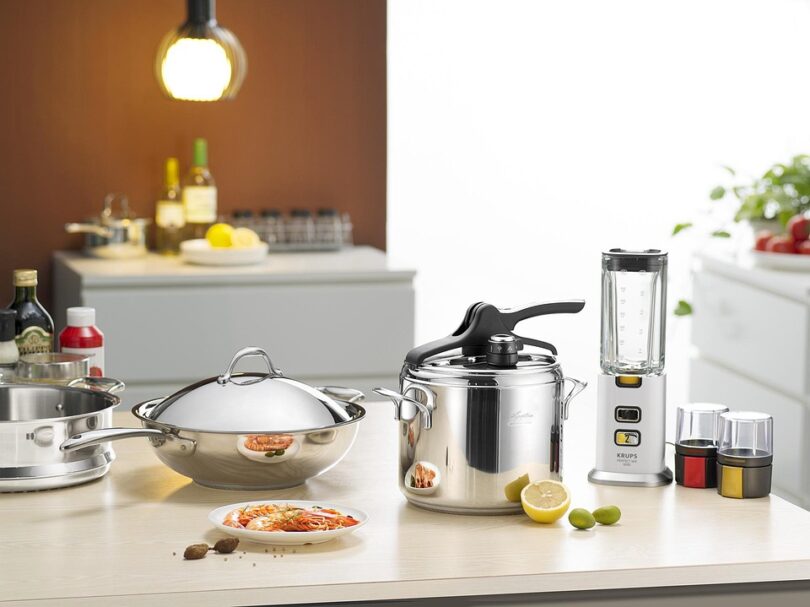


Cooking is a fundamental skill that everyone can benefit from learning. Whether you’re preparing meals for yourself or your family, mastering a few essential techniques can elevate your culinary game. This article explores the essential cooking techniques for beginners, providing you with the knowledge you need to build a solid foundation in the kitchen.
1. Knife Skills
One of the most critical skills in cooking is knowing how to use a knife correctly. Good knife skills help improve consistency in cooking and make the process more enjoyable.
- Chopping: This involves cutting food into small, uniform pieces. Practice different vegetables like onions, bell peppers, and carrots.
- Dicing: Similar to chopping but typically results in smaller, more precise cubes. Use this technique for ingredients like garlic or bell peppers.
- Slicing: Slice ingredients like meats and bread evenly to ensure they cook correctly and have an appealing presentation.
2. Sautéing
Sautéing is a cooking method that involves cooking food quickly in a small amount of oil or fat over relatively high heat. This technique is perfect for vegetables and proteins alike.
- Start by heating your pan and adding oil.
- Add your ingredients, making sure not to overcrowd the pan to prevent steaming.
- Keep the food moving in the pan to ensure even cooking.
3. Boiling and Simmering
Boiling is cooking food in water or broth at a high temperature, while simmering is done at a lower temperature. Both methods are essential for various recipes.
- Boiling: Use boiling for pasta, potatoes, or blanching vegetables.
- Simmering: Ideal for soups, stews, and sauces, allowing flavors to meld together.
4. Baking
Baking is a cooking technique that utilizes dry heat in an oven. It’s a great way to prepare desserts, breads, and casseroles.
- Preheat your oven before baking for consistent results.
- Follow recipes closely, as baking can be less forgiving than other cooking methods.
5. Grilling
Grilling involves cooking food over an open flame or hot surface. This technique adds a smoky flavor and is popular for meats and vegetables.
- Preheat your grill to get the ideal sear on the food.
- Adding marinades or rubs can enhance flavors.
6. Roasting
Roasting is a dry heat cooking method that uses an oven to cook food evenly. This technique is ideal for meats and vegetables.
- Use a roasting pan to allow for even cooking.
- Consider basting meats to keep them juicy.
7. Steaming
Steaming is a healthy cooking method that retains nutrients. It involves cooking food with steam heat.
- Use a steamer basket over boiling water for vegetables.
- Steaming can also be used for fish and dumplings.
8. Seasoning and Flavoring
Applying the right seasonings can elevate your dishes significantly. Understanding how to use herbs, spices, and other flavorings is essential.
- Start simple with salt and pepper, and then begin experimenting with herbs like basil, thyme, and cilantro.
- Understand your ingredients and how they enhance or alter the taste of your dish.
Conclusion
Mastering these essential cooking techniques can greatly enhance your culinary skills and confidence in the kitchen. As you practice and learn, remember that cooking is a journey filled with opportunities to experiment and create. Don’t be afraid to make mistakes — they are an essential part of learning. With patience and practice, you will soon find yourself mastering the art of cooking, making delicious meals not only for yourself but also for your family and friends.
FAQs
1. How do I sharpen my knives?
To sharpen your knives, you can use a whetstone or a knife sharpener. Hold the knife at a 20-degree angle against the sharpening surface and swipe it across in a smooth motion.
2. What is the difference between boiling and simmering?
Boiling is cooking food at a high temperature where bubbles rapidly burst on the surface, while simmering is done at a lower temperature where small bubbles gently rise and break the surface.
3. How can I tell if my meat is done cooking?
Using a meat thermometer is the best way to ensure meat is cooked to the correct temperature. For example, poultry should reach 165°F (75°C), while beef can vary depending on the desired doneness.
4. Can I substitute fresh herbs for dried herbs?
Yes, dried herbs are more concentrated than fresh, so use one-third the amount of dried herbs compared to fresh. For example, if a recipe calls for 1 tablespoon of fresh herbs, use 1 teaspoon of dried herbs.
5. What are some good beginner recipes to try?
Start with simple recipes such as scrambled eggs, stir-fried vegetables, pasta with tomato sauce, or baked chicken. These recipes help you practice the basic techniques outlined above.


