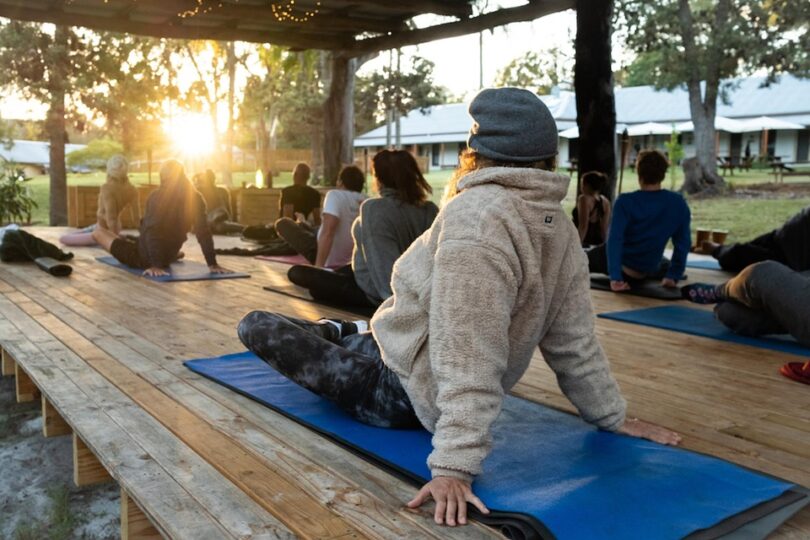
<p>Have you ever felt the need to disconnect from the chaos of daily life and find your inner peace? A yoga retreat can offer the perfect opportunity to rejuvenate your mind, body, and spirit. In this guide, we’ll explore how to plan the ultimate yoga retreat that aligns with your goals and desires.</p>
<h2>Why Plan a Yoga Retreat?</h2>
<p>A yoga retreat allows participants to immerse themselves in their practice while enjoying a tranquil environment that promotes self-discovery and relaxation. Here are several benefits:</p>
<ul>
<li><strong>Detox from daily stress:</strong> A retreat removes you from your usual surroundings, making it easier to unwind.</li>
<li><strong>Enhance your practice:</strong> Focus on yoga techniques, meditation, and mindfulness away from distractions.</li>
<li><strong>Connect with nature:</strong> Many retreats are held in beautiful natural settings that enhance relaxation.</li>
<li><strong>Meet like-minded individuals:</strong> Create connections with others who share similar interests and goals.</li>
</ul>
<h2>Step 1: Identify Your Goals</h2>
<p>Before diving into logistics, reflect on what you want to gain from your yoga retreat. Are you looking to deepen your practice, learn specific techniques, or simply relax? Defining your goals will help guide your planning process.</p>
<h2>Step 2: Choose the Right Location</h2>
<p>The location of your retreat significantly impacts the overall experience. Consider these factors when choosing a destination:</p>
<ul>
<li><strong>Climate:</strong> Decide if you prefer a warm beach setting or a cool mountain escape.</li>
<li><strong>Accessibility:</strong> Choose a location that is easy for participants to reach, considering travel time and accommodations.</li>
<li><strong>Environment:</strong> Whether it’s a serene beach, a forest, or a bustling city, the environment should align with your goals.</li>
</ul>
<h2>Step 3: Plan Your Schedule</h2>
<p>A balanced schedule is key to a successful retreat. Here’s a suggested outline:</p>
<ul>
<li><strong>Daily yoga sessions:</strong> Incorporate a mix of styles such as Hatha, Vinyasa, or Yin.</li>
<li><strong>Meditation and mindfulness:</strong> Include guided sessions to enhance mental clarity.</li>
<li><strong>Workshops:</strong> Offer teachings on topics like Ayurveda, nutrition, or yoga philosophy.</li>
<li><strong>Leisure time:</strong> Allow free time for participants to explore, relax, or engage in self-care.</li>
</ul>
<h2>Step 4: Find Qualified Instructors</h2>
<p>The quality of instructors can make or break a retreat. Look for experienced and certified yoga teachers who resonate with your vision. Consider their teaching style, specialties, and ability to connect with participants.</p>
<h2>Step 5: Budgeting</h2>
<p>Establishing a budget is crucial. Consider the following expenses:</p>
<ul>
<li><strong>Accommodations:</strong> Research lodging options ranging from luxury resorts to budget hostels.</li>
<li><strong>Food:</strong> Decide if meals will be provided or if participants will dine out.</li>
<li><strong>Travel expenses:</strong> Factor in transportation costs for participants.</li>
<li><strong>Instructor fees:</strong> Account for payment and possible travel costs for your yoga instructors.</li>
</ul>
<h2>Step 6: Marketing Your Retreat</h2>
<p>To attract participants, you need effective marketing strategies. Use social media, create engaging content, and consider collaborations with local wellness centers or instructors. Be clear about the unique offerings of your retreat to draw interested individuals.</p>
<h2>Conclusion</h2>
<p>Planning a yoga retreat requires thoughtful consideration and effort, but the rewards can be life-changing. By following these steps, you can create a rejuvenating space for yourself and others to connect, grow, and find their Zen. Whether you’re looking to deepen your practice, detox from daily stress, or build community, a well-planned yoga retreat can cater to your needs and help you leave with a renewed sense of purpose.</p>
<h2>FAQs</h2>
<h3>Q1: How long should a yoga retreat be?</h3>
<p>A1: Yoga retreats can range from a weekend to several weeks. A weeklong retreat is often ideal for deeper immersion.</p>
<h3>Q2: Do I need to be an experienced yogi to attend a retreat?</h3>
<p>A2: No! Many retreats cater to all levels, from beginners to advanced practitioners.</p>
<h3>Q3: How much does a yoga retreat usually cost?</h3>
<p>A3: Costs can vary greatly depending on location, accommodations, and inclusions, typically ranging from $300 to over $2000.</p>
<h3>Q4: What should I bring to a yoga retreat?</h3>
<p>A4: Essentials include yoga gear, comfortable clothing, a journal, personal items, and any specific yoga props you may require.</p>
<footer>
<p>© 2023 Finding Your Zen. All rights reserved.</p>
</footer>