

Spain is a land rich in cultural diversity, beautiful landscapes, and, most importantly, an incredible array of culinary traditions. Traditional Spanish cuisine reflects the country’s varied regions, customs, and agriculture.
1. The Importance of Regional Diversity
Spain’s geography and history contribute to its culinary diversity. Each region has its own specialties:
- Andalusia: Known for tapas and seafood.
- Catalonia: Famous for its bread with tomato and Escudella i Carn d’Olla.
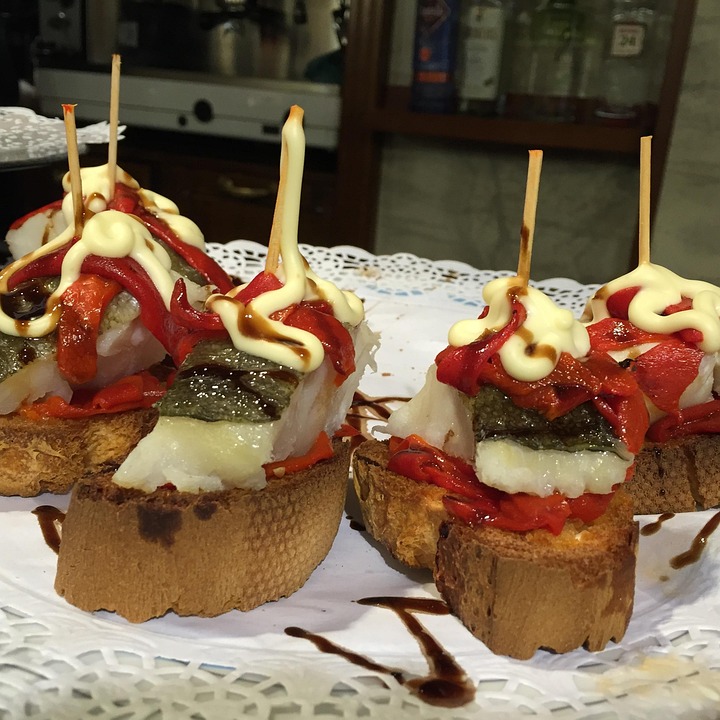
- Basque Country: Renowned for pintxos and unique seafood dishes.
- Galicia: Known for its octopus and hearty stews.
- Valencia: The home of traditional paella.
2. Signature Dishes
Spanish cuisine boasts a plethora of iconic dishes. Here are a few that every food lover must try:
2.1 Paella
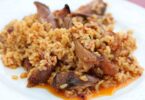
This rice dish originated in Valencia and has countless regional variations. Traditional paella is made with saffron, green beans, rabbit, and chicken, although seafood paellas are also common.
2.2 Tapas
Small plates of different dishes that allow diners to sample various flavors. From patatas bravas (fried potatoes with spicy sauce) to anchovies and olives, tapas are meant to be shared and enjoyed with friends.
2.3 Jamón Ibérico
This famous cured ham, especially from the Iberian pig, is a delicacy in Spain. Its rich flavor and melt-in-your-mouth texture make it a must-try.
2.4 Gazpacho
A refreshing cold soup made from tomatoes, cucumbers, bell peppers, garlic, and olive oil. Gazpacho is particularly popular during the hot summer months.
3. Essential Ingredients
Several key ingredients form the foundation of Spanish cuisine:
- Olive Oil: Spain is the world’s largest producer of olive oil. It is a staple in almost every dish.
- Spanish Rice: A short-grain rice perfect for paella.
- Seafood: Fresh fish and shellfish are prevalent, especially in coastal regions.
- Spices: Paprika, especially from La Vera, is integral to many Spanish recipes.
4. Spanish Wine
No culinary journey through Spain is complete without exploring its wines. The country has a variety of wine regions:
- Rioja: Renowned for its red wines.
- Priorat: Known for its powerful reds and distinctive terroir.
- Sherry: A fortified wine from Cádiz, known for its complexity.
5. Dining Etiquette
Understanding local dining customs can enhance your experience:
- Meals are often later in the evening; dinner may start as late as 9 PM.
- Tapas are usually enjoyed slowly, fostering conversation.
- It’s common to share plates, emphasizing community and social interaction.
Conclusion
Exploring traditional Spanish cuisine offers a gateway into the heart of Spain’s culture. From the rich flavors of regional dishes to the warmth of shared meals, the culinary landscape of Spain is as diverse as its people and traditions. Whether you’re sampling tapas in Andalusia or enjoying a seafood paella in Valencia, each bite tells a unique story of history, passion, and tradition. So, grab a fork, and immerse yourself in the delightful world of Spanish food!
FAQs
1. What are tapas?
Tapas are small dishes or snacks served in Spanish cuisine. They can be hot or cold and are usually shared among friends and family.
2. Is paella always made with seafood?
No, while seafood paella is popular, traditional paella from Valencia is often made with chicken and rabbit alongside vegetables and saffron.
3. What is the most famous Spanish dessert?
Flan is one of the most famous Spanish desserts. It’s a creamy caramel custard that is popular throughout the country.
4. What is the best way to enjoy Spanish wine?
Spanish wines can be enjoyed with meals, particularly local dishes. Pairing regional wines with traditional cuisine enhances the flavors of both.
5. Are there vegetarian options in Spanish cuisine?
Yes, several traditional dishes are vegetarian or can be made vegetarian, including gazpacho, many types of tapas, and regional rice dishes.