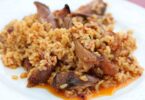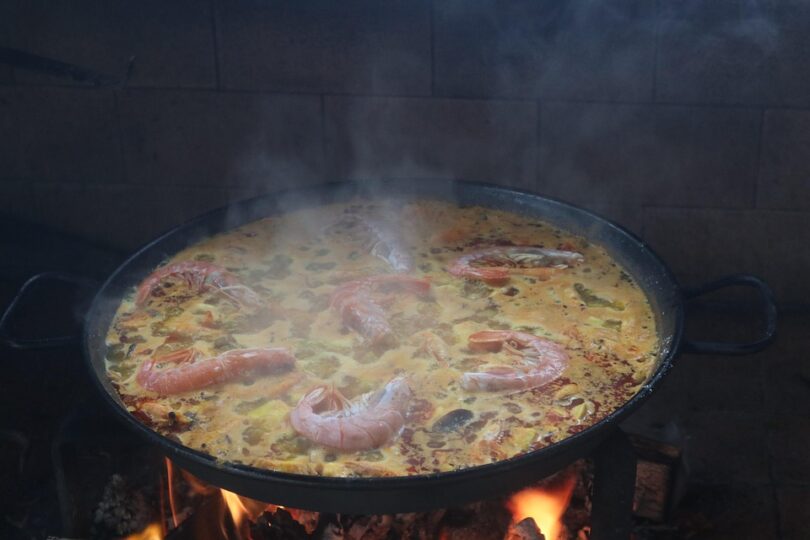


Paella is perhaps Spain’s most famous culinary export and is often associated with the coastal region of Valencia. Though many variations exist, true paella Valenciana stands out for its rich traditions and techniques that have been passed down through generations. The dish is not just about the ingredients; it’s a celebration of flavors and a narrative of the region’s agricultural and cultural heritage.
Origins of Paella Valenciana
The word “paella” derives from the Old French word “paella,” which means pan. Historically, the dish has roots as far back as the mid-19th century in the rural areas of Valencia, where it was traditionally prepared by farmers on Sundays. Locals would gather around a fire in the fields, using local ingredients to create a communal meal that reflected the flavors of the Mediterranean.
Essential Ingredients
True paella Valenciana requires specific ingredients that contribute to its unique flavor. The traditional recipe calls for:
- Rice: Short-grain rice, such as Bomba or Calasparra.
- Meat: Rabbit, chicken, and sometimes duck.
- Vegetables: Green beans, garlic, and sometimes tomatoes.
- Seasoning: Saffron, paprika, and rosemary.
- Stock: Homemade chicken or rabbit broth enhances the dish’s flavor.
Cooking Techniques
Cooking a perfect paella Valenciana requires a specific technique that combines both artistry and science. Here are the steps to follow:
1. Preparation of Ingredients
Begin by chopping the meat and vegetables. Ensure all ingredients are ready to go, as paella requires a specific timing to create the desired texture and flavor.
2. Cooking the Base
Using a wide, shallow pan known as a “paellera,” heat olive oil over medium heat. Start by browning the meat until golden. This step is crucial, as it builds the foundational flavor for the dish.
3. Adding Vegetables
Once the meat is browned, introduce the vegetables. Sauté until soft, and mix in the paprika to release its aroma.
4. The Rice
Add the rice to the mix, ensuring each grain is coated in the oil. Traditionally, this step is followed by adding broth—approximately three times the volume of rice.
5. The Magic of Saffron
Incorporate saffron threads or seasoning to achieve a vibrant color. It’s essential to avoid stirring the rice at this point, allowing it to cook evenly and form a crust at the bottom known as “socarrat.”
6. The Final Touches
As the liquid evaporates, keep an eye on the heat, ensuring it doesn’t burn. Once the rice is cooked and the liquid is nearly gone, allow it to rest. This resting phase is as crucial as the cooking process itself.
Paella Today
Modern-day paella has evolved, with new ingredients and styles emerging. From seafood versions to vegetarian variations, the dish has taken on a new life both in Spain and internationally. However, purists still advocate for the traditional approach, emphasizing that true paella Valenciana can only be made with specific ingredients and techniques.
Traditions and Cultural Significance
Paella Valenciana is more than just a dish; it embodies family and social connections. The tradition of making paella is often a festive event where families gather together to celebrate. Local festivals frequently feature paella competitions, demonstrating the community’s pride in their culinary heritage.
Conclusion
The art of making paella Valenciana is a beautiful combination of tradition, cultural significance, and culinary technique. The qualities that elevate this dish from a simple meal to a celebrated phenomenon are its rich history, community ties, and unique flavors. Whether you’re enjoying it in the fields of Valencia or in your own kitchen, paella invites you to experience the essence of shared moments and deep-rooted traditions.
FAQs
1. Can I make paella without a paellera?
While a paellera is traditional, you can use a wide, shallow skillet. The key is to allow enough surface area for the rice to cook evenly.
2. What can I substitute for saffron?
You can use turmeric for color, but it won’t replicate the unique flavor of saffron. Some recipes suggest a pinch of paprika in combination with turmeric.
3. Is paella a one-pot dish?
Yes, paella is typically cooked as a one-pot meal, allowing the flavors to meld beautifully while giving the rice a distinctive texture.
4. How do I know when the paella is done?
The rice should be tender yet firm to the bite, and there should be a crispy base, or “socarrat,” which can be checked carefully with a spatula.