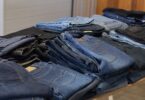
Discover the significance of slow fashion and its impact on sustainability.
Introduction
In today’s fast-paced world, the fashion industry often prioritizes trends over sustainability, leading to massive waste and environmental degradation. However, a growing movement known as slow fashion is gaining momentum, encouraging consumers and brands alike to rethink their purchasing habits. This article delves into the principles of slow fashion, its benefits, and how it can contribute to a more sustainable future.
<section>

    <h2>What is Slow Fashion?</h2>

    <p>Slow fashion is a response to the rapid production cycles and excessive consumerism of mainstream fashion. It emphasizes quality over quantity, encouraging consumers to invest in timeless pieces made from sustainable materials. Slow fashion advocates for:</p>

    <ul>

        <li><strong>Ethical Production:</strong> Ensuring fair wages and safe working conditions for garment workers.</li>

        <li><strong>Sustainable Materials:</strong> Using organic or recycled fabrics that have minimal environmental impact.</li>

        <li><strong>Timeless Design:</strong> Creating versatile pieces that withstand changing trends and seasonality.</li>

        <li><strong>Mindful Consumption:</strong> Encouraging customers to buy less but choose better.</li>

    </ul>

</section>
<section>

    <h2>The Impact of Fast Fashion</h2>

    <p>The fashion industry has evolved to prioritize speed and volume, often sacrificing ethical practices and environmental health in the process. Here are some stark realities:</p>

    <ul>

        <li>Over <strong>92 million tons</strong> of waste are generated annually from the fashion industry.</li>

        <li>Fast fashion contributes to <strong>water pollution</strong>, with toxic dyes and chemicals harming ecosystems.</li>

        <li>It exploits <strong>labor</strong> in developing countries, where workers are often paid below living wages.</li>

    </ul>

    <p>As consumers become more aware of these issues, there is a growing demand for transparency and accountability within the fashion industry.</p>

</section>
<section>

    <h2>The Principles of Slow Fashion</h2>

    <p>Embracing the slow fashion revolution involves several core principles that individuals and brands can adopt:</p>

    <ul>

        <li><strong>Investment in Quality:</strong> Purchasing durable clothing items that last longer.</li>

        <li><strong>Supporting Local:</strong> Buying from local artisans and small businesses promotes community sustainability.</li>

        <li><strong>Repair and Upcycle:</strong> Extending the life of garments through repairs and creative repurposing.</li>

        <li><strong>Minimalism:</strong> Building a capsule wardrobe with versatile pieces that maximize utility.</li>

    </ul>

</section>
<section>

    <h2>Benefits of Slow Fashion</h2>

    <p>Adopting slow fashion principles has numerous benefits for consumers, communities, and the environment:</p>

    <ul>

        <li><strong>Environmental Preservation:</strong> Reduces waste and decreases the carbon footprint associated with mass production.</li>

        <li><strong>Economic Growth:</strong> Supporting local artisans fosters community development and economic resilience.</li>

        <li><strong>Enhanced Quality of Life:</strong> Slow fashion promotes a more mindful approach to consumption, reducing the stress associated with overconsumption.</li>

    </ul>

</section>
<section>

    <h2>How to Embrace Slow Fashion</h2>

    <p>Here are some practical steps you can take to embrace the slow fashion movement:</p>

    <ul>

        <li><strong>Evaluate Your Wardrobe:</strong> Assess what you own and identify gaps where high-quality items can fill in.</li>

        <li><strong>Choose Sustainable Brands:</strong> Research brands that prioritize ethical practices and sustainable materials.</li>

        <li><strong>Participate in Clothing Swaps:</strong> Exchange garments with friends or community members to refresh your wardrobe.</li>

        <li><strong>Educate Others:</strong> Share your knowledge about slow fashion and its benefits within your social circles.</li>

    </ul>

</section>
Conclusion
The slow fashion revolution is not merely a trend but a necessary shift towards more ethical and sustainable practices within the fashion industry. By prioritizing quality, mindful consumption, and ethical production, we can significantly mitigate the negative impact that fashion has on the environment and society. Embracing slow fashion is a powerful way to support holistic change, ensuring a healthier planet and a more equitable future for all.
FAQs
What is the difference between slow fashion and fast fashion?
Slow fashion emphasizes quality, sustainability, and ethical production, while fast fashion focuses on rapid production and low costs, often compromising on these values.
<h3>Can purchasing slow fashion be cost-effective?</h3>

<p>While slow fashion items may have a higher upfront cost, they are often more durable and timeless, leading to savings in the long run by reducing the need for frequent replacements.</p>
<h3>How can I find slow fashion brands?</h3>

<p>Look for brands that are transparent about their practices, use sustainable materials, and prioritize ethical manufacturing. Websites and social media platforms dedicated to sustainable fashion can be helpful resources.</p>
<h3>Is slow fashion just a trend?</h3>

<p>Slow fashion is a movement grounded in necessity for sustainable change in the fashion industry, rather than a transient trend. Its principles address urgent environmental and ethical challenges.</p>