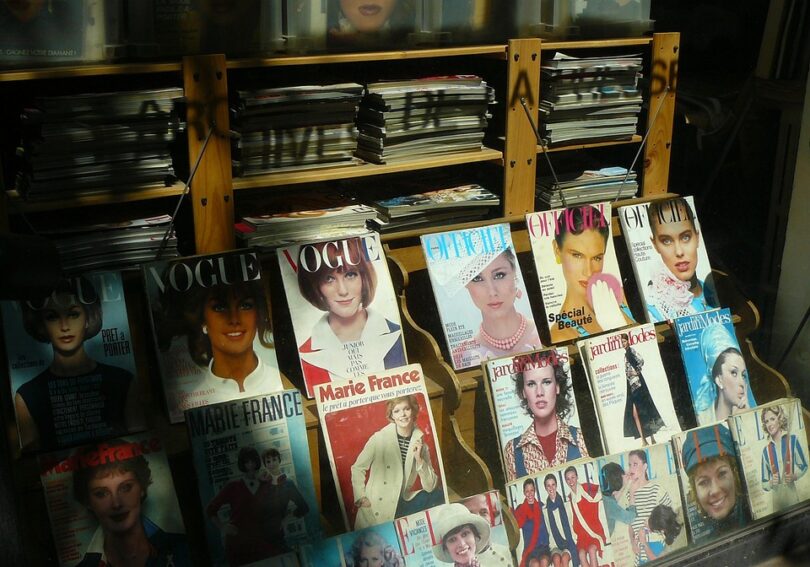


The world of fashion magazines has undergone a significant transformation over the past century. From the glossy pages of print publications that ruled the industry to the visually stunning and interactive digital platforms of today, the evolution of fashion magazines reflects broader changes in technology, culture, and consumer behavior. This article will explore the history and transition of fashion magazines from print to digital, highlighting the key factors that contributed to this dramatic shift.
1. The Birth of Fashion Magazines
Fashion magazines can trace their roots back to the 18th century, during which periodicals began to emerge that specifically focused on fashion. Publications such as “La Galerie des Modes” in France and “The Lady’s Magazine” in England laid the groundwork for modern fashion journalism. These early magazines primarily featured illustrations and fashion plates rather than photographs and catered to the elite classes, providing them insights into the looks and trends of the time.
2. The Golden Age of Print (1900s to 2000s)
The early 20th century saw the rise of some of the most iconic fashion magazines, including “Vogue,” “Harper’s Bazaar,” and “Elle.” These magazines utilized high-quality photography and in-depth articles, creating a fusion of visual and literary content that appealed to a wider audience. Fashion became more accessible, and magazines began to influence public perception of beauty and style.
The post-World War II era marked a golden age for print magazines. With the rise of consumer culture and an increased focus on branding, fashion magazines became powerful vehicles for advertising. Glitzy advertisements next to luxury editorials amplified the desirability of high fashion and luxury brands. This period saw a notable trend where celebrities began to grace the covers of these magazines, linking fame with fashion even further.
3. The Impact of Technology and the Internet
The late 1990s and early 2000s heralded a new era for fashion magazines due to the advent of the internet. As digital technology evolved, magazines began to establish their online presence. The initial move to digital was hesitant, as many traditional publishers were uncertain about how to adapt their successful print models to the digital landscape. However, the increasing use of the internet and social media platforms began to change everything.
4. The Shift to Digital (2000s to Present)
As internet usage skyrocketed and readers grew accustomed to consuming content online, many print magazines shifted focus to digital platforms. The rise of low-cost publishing tools, social media, and mobile applications effectively democratized fashion media, allowing independent voices and brands to emerge. Digital magazines now have the opportunity to reach global audiences with instantaneous updates and interactive content.
The rise of social media has significantly altered the fashion landscape. Platforms like Instagram and TikTok have become critical tools for fashion publishers and influencers alike. The visual nature of these platforms allows fashion content to be shared instantly, reaching millions within seconds. Blogs and online publications have filled the space once dominated by traditional magazines, leading to a diversification of voices and styles.
5. The Current State of Fashion Magazines
Today, fashion magazines have evolved into multifaceted digital platforms that encompass not just remains traditional elements like editorial and advertising, but also engage with media such as videos, blogs, podcasts, and interactive content. The likes of “Vogue” and “Harper’s Bazaar” now have strong online presences, providing diverse content that engages audiences beyond print.
The editorial approach has also shifted towards inclusivity and sustainability, reflecting changing consumer values. Current fashion magazines often prioritize advocacy around social issues, promoting diverse voices and eco-conscious fashion. This evolution marks a significant divergence from the past where the industry was often critiqued for its lack of representation and transparency.
Conclusion
The journey of fashion magazines from print to digital is a fascinating reflection of societal changes, technological advancements, and evolving consumer preferences. While the golden age of print will always be iconic, the digital era presents exciting opportunities for innovation and inclusivity within fashion media. Fashion magazines must continue to adapt and evolve in this digital age to remain relevant, making room for new voices and trends that resonate with today’s diverse audience.
FAQs
1. Are print fashion magazines still relevant?
Yes, while many have shifted to digital, print magazines still hold cultural significance and appeal to certain audiences. They are often seen as luxury items.
2. How has social media impacted fashion magazines?
Social media has transformed how fashion content is created and consumed. It has enabled instant sharing, leading to rapid trend cycles and increased audience engagement.
3. What future trends can we expect in fashion magazines?
Future trends may include more immersive content such as augmented reality (AR), further integration with e-commerce, and a focus on sustainability and inclusivity.
4. Can digital platforms replace print magazines entirely?
It is unlikely that digital will completely replace print magazines. Both formats can coexist, catering to different preferences and needs of readers.