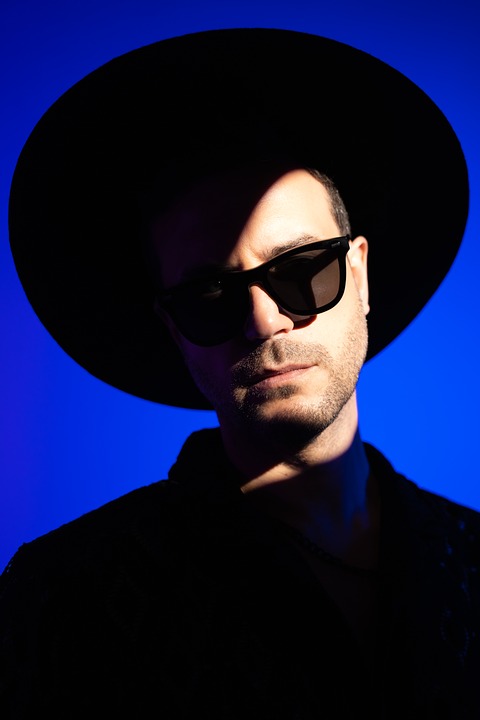


The fashion industry is a blend of creativity, culture, and commerce, manifesting in various forms, including the iconic fashion runway. However, a compelling dimension often overshadowed by glittering catwalks is the art of fashion editorials. These vivid narratives venture beyond mere clothing to express powerful messages, evoke emotions, and explore intricate themes within society.
The Essence of Fashion Editorials
Fashion editorials serve as a visual commentary within magazines, websites, and other media formats. Unlike traditional advertisements that aim primarily to sell products, editorials seek to tell stories. They achieve this through:
- Visual Artistry: Editorials combine photography, styling, and graphic design, creating images that are as artistic as they are fashionable.
- Narrative Exploration: Each editorial often revolves around a central theme, conveying messages about identity, culture, or social issues.
- Creative Freedom: Editors, photographers, and stylists are typically granted more artistic freedom, allowing for innovative approaches that go beyond commercial confines.
Historical Context
The roots of fashion editorials can be traced back to the early 20th century. Magazines such as Vogue and Harper’s Bazaar pioneered the editorial format, transforming fashion from a mere commercial venture into a cultural phenomenon. The early editorials laid the groundwork for a narrative form that would marry artistry and clothing. Notable figures like Edward Steichen and Richard Avedon pushed the boundaries of fashion photography, establishing a visual lexicon that remains influential today.
The Creative Collaboration
Fashion editorials are an outcome of collaborative efforts, usually featuring:
- Photographers: Visionaries behind the lens, photographers create the visual landscape of the editorial, often developing unique styles that enhance the narrative.
- Stylists: They curate outfits and accessories that resonate with the themes of the editorial, using elements to create a cohesive visual story.
- Models: Acting as both the canvas and the subject, models embody the themes and emotions conveyed in the editorial.
- Writers: Often, words accompany the visuals, providing context, commentary, or a narrative that deepens the viewer’s understanding.
Current Trends in Fashion Editorials
In recent years, fashion editorials have evolved significantly, reflecting broader cultural shifts and technological advancements. Key trends include:
- Diversity Representation: The industry has begun to embrace a more inclusive representation of race, body type, and age in editorials, offering a broader perspective on beauty.
- Sustainable Fashion: As environmental concerns rise, many editorials highlight sustainable brands and ethical practices, merging high fashion with conscious consumerism.
- Digital Innovation: With the emergence of social media and digital platforms, fashion editorials now utilize interactive elements, video content, and augmented reality to engage audiences.
Emotional Impact and Cultural Commentary
The emotional impact of fashion editorials is profound. Through visual storytelling, they can challenge norms, incite dialogue, and prompt reflection. For instance, editorials that address issues like racial identity or gender politics can resonate deeply, allowing viewers to connect with the themes on a personal level.
Fashion editorials have often addressed global issues, utilizing their platforms to weigh in on subjects such as:
- Body positivity and acceptance
- Environmental sustainability
- Cultural appropriation vs. appreciation
Conclusion
Fashion editorials represent a rich intersection of creativity, culture, and social dialogue, transcending the traditional confines of fashion. As we appreciate the artistry involved, it becomes evident that these visual narratives have the power not only to showcase clothing but to provoke thought and inspire change. As the industry continues to evolve, so too will the artistic expression found within fashion editorials, promising an exciting future filled with innovative stories and perspectives.
FAQs
What is the main purpose of a fashion editorial?
The main purpose of a fashion editorial is to tell a story through imagery and text, often exploring themes related to beauty, culture, and identity rather than purely selling products.
How do fashion editorials differ from advertisements?
Fashion editorials focus on storytelling and artistic expression, whereas advertisements primarily aim to promote and sell specific products or brands.
Who are the key players involved in creating a fashion editorial?
Key players include photographers, stylists, models, writers, and editors who collaborate to produce a cohesive visual narrative.
Why are fashion editorials important to the fashion industry?
Fashion editorials are important because they provide creative freedom, showcase artistic talent, and address cultural and social issues, enriching the narrative of the fashion industry.