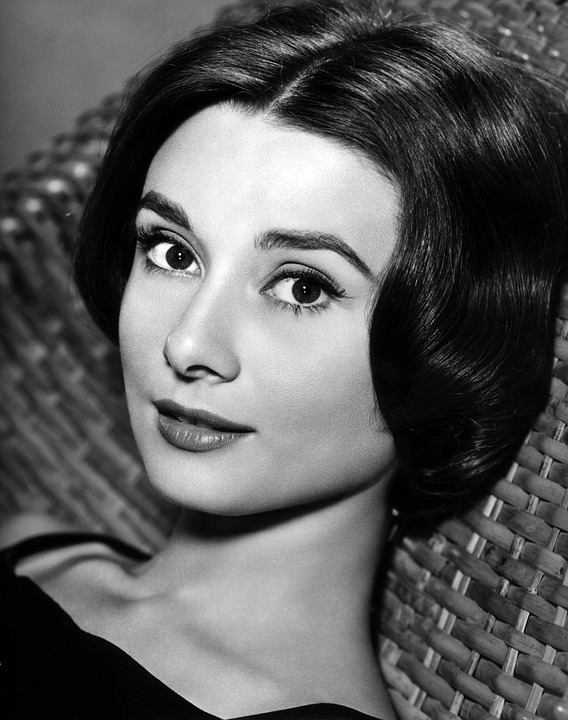


The world of fashion has been significantly shaped by its most iconic figures: supermodels. These women (and men) have not only influenced trends but have become cultural icons in their own right. Their evolution through the decades reflects broader societal changes, ideals of beauty, and the fashion industry’s trajectory. Let’s explore how supermodels rose to prominence in the latter half of the 20th century through to today.
The 1960s: The Birth of the Supermodel
The 1960s witnessed the emergence of the first true supermodels. Names such as Twiggy and Jean Shrimpton dominated the fashion scene, often embodying the era’s youth culture. Twiggy, with her androgynous look, became a symbol of liberation and rebellion against traditional norms of femininity. The decade was defined by bold fashion, psychedelic colors, and the onset of youth-centric styles.
The 1970s: Diversity and Individuality
As the world approached the 1970s, the fashion industry began integrating more diversity. Models like Cheryl Tiegs and Iman elevated the notion that beauty comes in many forms. The shift from the ‘classic beauty’ of the 60s allowed for a broader representation, acknowledging different body types, ethnicities, and personal styles. This decade paved the way for models who would soon become household names.
The 1980s: The Era of the Supermodel
The 1980s marked a golden era for supermodels. Icons like Cindy Crawford, Claudia Schiffer, and Naomi Campbell walked the runways and graced magazine covers, transforming into global celebrities. The term “supermodel” was coined to describe these women, who were not only admired for their looks but also for their business acumen. They represented an era of excess, embodying lavish lifestyles that were showcased in the media.
The 1990s: A New Wave of Influence
The 1990s introduced a new aesthetic with the rise of the “heroin chic” look, popularized by models like Kate Moss. This look stood in stark contrast to the voluptuous figures of the 80s. The decade also saw the emergence of a more powerful, outspoken model who wasn’t afraid to challenge industry standards and societal norms. Models began using their platforms for advocacy, and icons like Linda Evangelista stated that they could “wake up and be a different person every day.”
The 2000s: Digital Revolution and Inclusivity
As the internet began reshaping industries in the 2000s, the modeling world had to adapt to new norms. Social media allowed models to cultivate personal brands, leading to the rise of personalities like Gigi Hadid and Kendall Jenner. This decade emphasized accessibility, with many models becoming influencers who bridged the gap between fashion and entertainment. There was also a noticeable push towards inclusivity, challenging the traditional standards of beauty.
The 2010s and Beyond: Modern Supermodels
Today, the definition of a supermodel continues to evolve. The industry is increasingly focusing on body positivity and diversity. Models like Ashley Graham and Adwoa Aboah are redefining the beauty standards that have dominated the industry for decades. More recently, we are witnessing a growing trend towards eco-consciousness, with many models advocating for sustainable fashion practices.
Conclusion
Supermodels are not just faces; they are representatives of the fashion zeitgeist and societal ideals. The evolution of supermodels reflects significant changes in culture and attitude towards beauty, acceptance, and empowerment. As we look to the future, it is clear that the modeling industry will continue to adapt and grow, embracing a variety of voices, looks, and backgrounds. The term “supermodel” may evolve, but the influence of these icons will remain timeless.
FAQs
A: Twiggy is often credited as one of the first supermodels, gaining fame in the 1960s for her unique androgynous look.
A: The internet revolutionized the modeling industry by allowing models to showcase their personal brands through social media, leading to higher visibility and influence.
A: Beauty standards have shifted from the classic feminine ideals of the 60s and 80s to a more inclusive representation that celebrates diverse body types and ethnicities.
A: Yes, supermodels remain highly influential in the fashion industry, increasingly being seen as advocates for inclusivity and sustainability.