


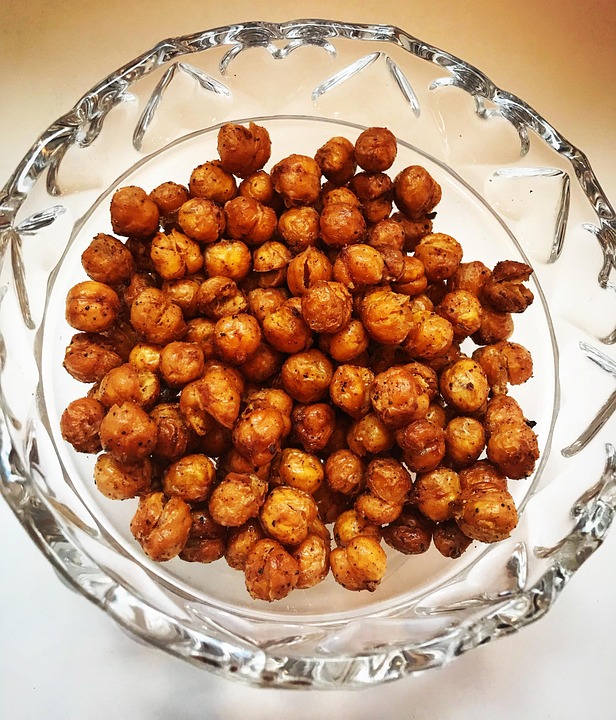


Roasting is more than just a cooking method; it’s a culinary art form that transforms raw ingredients into flavorful masterpieces. The process brings out deep, complex flavors and enhances textures, resulting in dishes that are as pleasing to the eye as they are to the palate. In this article, we will explore the nuances of roasting, tips to perfect it, and the science behind achieving the ideal balance of flavor and texture.
Understanding the Roasting Process
At its core, roasting involves cooking food using dry heat, typically in an oven. This technique is versatile, allowing for a wide range of ingredients, including vegetables, meats, and even fruits. The key elements of roasting include:
- Heat Distribution: Roasting requires an even application of heat, which can come from all sides in a conventional oven. Convection ovens, which circulate hot air, can enhance this effect.
- Maillard Reaction: This chemical reaction occurs between amino acids and reducing sugars when food is exposed to heat, creating that desirable golden-brown color and rich, savory flavor.
- Carmelization: As sugars break down under heat, they caramelize, adding sweetness and complexity to roasted foods.
Selecting the Right Ingredients
The success of roasting largely depends on the choice of ingredients. Here are some tips for selecting the best candidates:
- Freshness: Choose fresh, high-quality ingredients for the best flavor. Seasonal produce tends to have more flavor and nutrients.
- Size and Uniformity: Cut vegetables and proteins into uniform sizes to ensure even cooking. Larger pieces take longer to roast, while smaller ones may cook too quickly.
- Fat Content: Fats contribute to flavor and texture. Consider marbling in meats and the oil used for vegetables; olive oil, for example, enhances flavor while promoting browning.
Preparation Techniques for Roasting
Proper preparation is essential for achieving the perfect roast. Here are some key techniques:
- Seasoning: Seasoning should be done generously but thoughtfully. Use salt, pepper, and herbs or spices to enhance flavor. Consider marinating meats or tossing vegetables in oil and spices before roasting.
- Temperature Control: Preheat the oven to the appropriate temperature. High temperatures (around 400°F to 450°F) are ideal for achieving that crispy exterior while maintaining a juicy interior.
- Removing excess moisture: For vegetables, patting them dry can enhance browning. Ensure meats are dry to promote searing.
Timing and Monitoring
Each ingredient has a specific roasting time, which is crucial to achieving the perfect cook:
- Meat: The internal temperature should be monitored using a meat thermometer for accuracy. For example, chicken should reach an internal temperature of 165°F.
- Vegetables: Tender vegetables like asparagus may take 15-20 minutes, while sturdier ones like carrots may take 30-40 minutes. Stirring once during roasting helps achieve an even roast.
Perfecting Flavor and Texture
The final results of roasting should have a crisp outside and tender inside. Here are some ways to achieve this balance:
- Basting: For meats, basting with juices or melted butter can enhance flavor and maintain moisture.
- Resting: Allow meats to rest post-roasting; this helps redistribute juices within, ensuring a juicy inside.
- Finishing Touches: Adding fresh herbs, a squeeze of lemon, or a drizzle of balsamic vinegar can elevate flavors just before serving.
Conclusion
The art of roasting requires understanding, practice, and a touch of creativity. By mastering the fundamentals—from selecting the right ingredients to perfecting preparation and timing—you can create dishes that are bursting with flavor and texture. A well-executed roast can transform a simple meal into a culinary experience, showcasing your skills and impressing your guests. So preheat that oven, gather your ingredients, and dive into the world of roasting!
FAQs
1. What is the best temperature for roasting vegetables?
The best temperature for roasting vegetables is typically between 400°F and 450°F. This range allows for proper browning while keeping them tender inside.
2. Should I cover meat while roasting?
Covering meat can prevent it from browning. For the best results, roast uncovered initially to develop a crust, then cover it towards the end if it’s cooking too fast.
3. How can I tell if my roast is done?
The most reliable method is to use a meat thermometer. Check for the appropriate internal temperature for different meats, like 165°F for poultry or 145°F for pork.
4. Is it necessary to let meat rest after roasting?
Yes, allowing meat to rest after roasting is crucial. It helps redistribute the juices, resulting in a moister finished dish.


