

The Loire Valley, often referred to as the “Garden of France,” is a UNESCO World Heritage site renowned for its stunning landscapes, picturesque vineyards, and, most notably, its magnificent castles. Stretching over 280 kilometers along the Loire River, this enchanting region features over 300 châteaux, each embodying unique architectural styles and fascinating histories. This article delves into some of the most iconic castles of the Loire Valley, bringing to light their architectural marvels and cultural significance.
The Historical Context
The Loire Valley castles were primarily constructed during the Renaissance period, a time marked by an awakening in the arts and sciences in Europe. These structures were not only residences for royalty and nobility but also symbols of power and prestige. The strategic location of the Loire River made this area an ideal hub for trade and cultural exchanges, leading to the flourishing of exceptional architecture.
Château de Chambord
Arguably the most recognizable chateau in the Loire Valley, Château de Chambord showcases a classic example of French Renaissance architecture. Designed by the architect Domenico da Cortona, it features over 400 rooms and stands amidst a vast park of 5,440 hectares, which includes a variety of wildlife. The chateau is characterized by its unique double-helix staircase, believed to have been inspired by Leonardo da Vinci. The intricate roofline adorned with numerous spires and chimneys is also a remarkable feature, making Chambord a true emblem of French artistry.
Château de Chenonceau
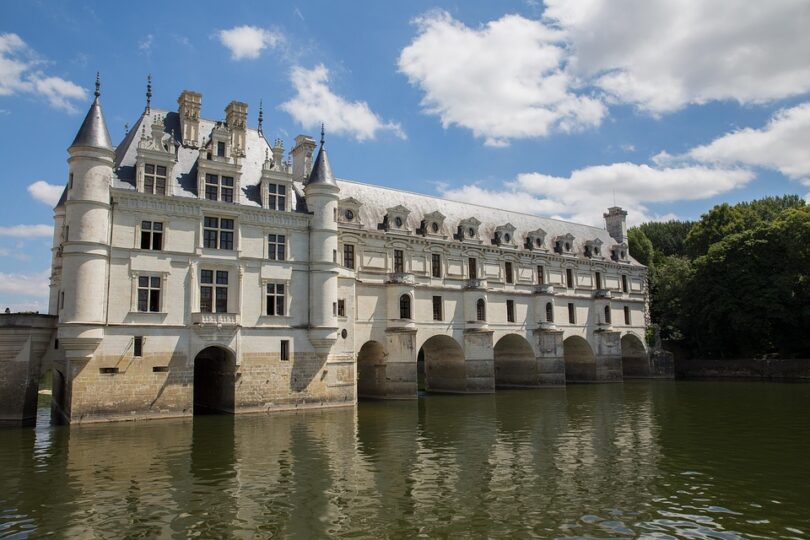
Often referred to as the “Ladies’ Castle,” Château de Chenonceau has a rich history shaped by several influential women. Built across the Cher River, it combines Gothic and Renaissance styles. What sets Chenonceau apart is its stunning gallery that stretches across the water, adorned with 18 arches and remarkable gardens designed by Catherine de’ Medici. The castle has witnessed significant historical events, including its use as a hospital during World War I, adding layers to its captivating narrative.
Château de Amboise
Château d’Amboise holds historical importance as the final resting place of Leonardo da Vinci, who spent his last years in the valley. This castle reflects the evolution of architectural styles from the Middle Ages to the Renaissance. Its imposing keep and sprawling terraces offer breathtaking views of the surrounding countryside. Visitors can explore the series of gardens and well-kept grounds, enriching the experience of this iconic location.
Château de Villandry
While the architecture of Château de Villandry may not be as grand as some of its counterparts, its gardens are considered among the finest in France. Built in the 16th century and later restored in the early 20th century, the chateau is a perfect representation of Renaissance architecture. The meticulously designed gardens encompass a variety of themes, from ornamental plants to vegetable patches, showcasing a harmonious relationship between architecture and nature.
Château de Saumur
Perched atop a hill overlooking the Loire River, Château de Saumur combines military strength and elegance. Originally built as a fortress in the 10th century, the castle has undergone various transformations, including the addition of a Renaissance-style façade. It is renowned for its well-preserved interior and the iconic conical towers that define its skyline. Today, the château houses a museum dedicated to equestrian arts and the region’s history.
Conclusion
The castles of the Loire Valley are not just architectural feats; they embody the spirit of an era defined by cultural, artistic, and political dynamism. Each chateau tells a story, offering glimpses into the past while serving as a testament to the talents of the architects, artists, and craftsmen who designed and built them. A journey through the Loire Valley is not complete without experiencing these magnificent structures, making it a must-visit destination for history buffs, architecture enthusiasts, and anyone seeking to immerse themselves in the beauty of French heritage.
FAQs
What is the best time to visit the Loire Valley?
The best time to visit is during the spring (April to June) and fall (September to October) when the weather is pleasant, and the gardens are in full bloom.
Are the castles open to the public?
Yes, most of the châteaux are open to the public, but it’s advisable to check in advance for opening hours and any special events.
How can I travel around the Loire Valley?
You can explore the region by renting a car, joining guided tours, or using public transportation, although a car offers the most flexibility.
Is it possible to stay overnight in any of the châteaux?
Yes, some castles offer accommodations, allowing visitors to experience the grandeur of these historic sites overnight.