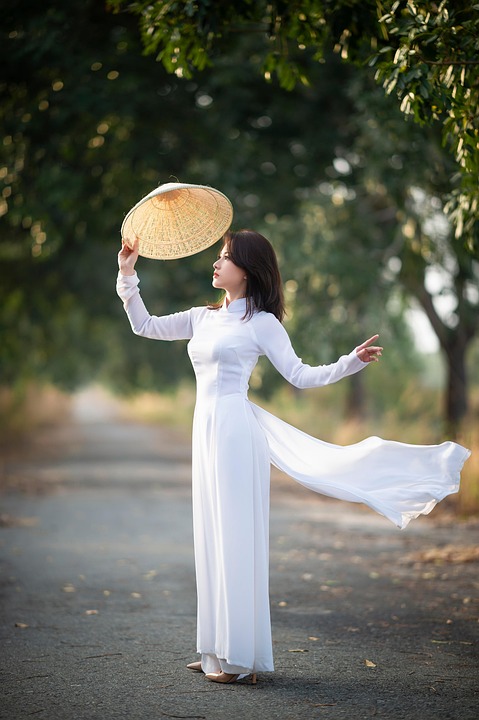


Defining Beauty
Beauty is a complex and multifaceted concept that has been debated, defined, and redefined throughout history. Traditionally, beauty has been associated with aesthetics, harmony, and the appreciation of visual pleasure. From the ancient Greeks who believed in the “Golden Ratio” to modern-day influencers, beauty extends beyond mere physical appearance to encompass personality, character, and the essence of being.
Historical Perspectives on Beauty
Throughout history, different cultures have defined beauty in various ways. In ancient Egypt, beauty was associated with symmetry and proportion, often depicted in art and sculpture. In the Renaissance era, beauty was tied to art and philosophy, emphasizing balance and nature.
The Victorian era saw a focus on modesty and virtue as integral components of beauty, while modern society often equates beauty with youthfulness and popularity. This shifting narrative demonstrates that beauty is both subjective and heavily influenced by cultural, social, and economic factors.
The Psychology of Beauty
The psychology of beauty plays a significant role in how individuals perceive themselves and others. Studies have shown that beauty can influence social interactions, opportunities, and even personal happiness. The “halo effect,” where individuals attribute positive traits to those deemed beautiful, underscores the impact of physical appearance on social dynamics.
However, the obsession with conventional beauty standards can lead to issues such as body image dissatisfaction, eating disorders, and low self-esteem. It is essential to recognize that true beauty emanates from within, including qualities like kindness, compassion, and confidence.
Cultural Notions of Beauty
Different cultures have unique ideals of beauty, often influenced by local traditions, media, and history. For instance, in some African cultures, fuller figures are considered beautiful, symbolizing wealth and fertility. In contrast, many Western cultures have historically promoted slimness and youth as the ultimate beauty ideal.
The rise of global connectivity has challenged many traditional notions of beauty, leading to a more inclusive understanding that values diversity in shapes, sizes, and features. The emergence of social media platforms has given a voice to underrepresented communities in the beauty space, advocating for a broader definition of beauty that celebrates individuality.
The Impact of Beauty in the Modern World
In today’s fast-paced and visually driven society, the impact of beauty cannot be overstated. Social media platforms such as Instagram and TikTok heavily influence beauty trends, often setting unrealistic standards. Airbrushed images and filtered content can distort perceptions of reality, leading individuals to compare themselves unfavorably to these idealized representations of beauty.
However, there is also a growing movement towards authenticity and self-acceptance. Brands and influencers promoting body positivity and natural beauty are gaining traction, encouraging individuals to embrace their unique features rather than conform to societal expectations. This shift not only impacts personal self-esteem but also has the potential to reshape societal norms surrounding beauty.
Beauty in Art and Literature
The theme of beauty has been a prominent subject in art and literature throughout history. Renowned artists such as Botticelli and Renoir have captured beauty in various forms, celebrating the human figure, landscapes, and emotions in their works. Literature too has explored the depths of beauty, with poets and authors reflecting on how beauty transcends the physical.
In contemporary times, art continues to challenge and define beauty, prompting viewers to question their perceptions and embrace diverse representations. This dialogue between art and the concept of beauty serves as a reminder that beauty is an evolving concept, constantly reshaped by cultural narratives and individual experiences.
Conclusion
Beauty is an intricate concept that encompasses a wide array of perceptions, ideals, and expectations. Historically, culturally, and psychologically, beauty has evolved and continues to reflect the values and beliefs of societies around the world. While traditional standards of beauty remain prevalent, the rise of inclusivity and body positivity is paving the way for a more diverse understanding of beauty—one that celebrates individuality and authenticity. Ultimately, true beauty lies not solely in appearance but in the essence of who we are as individuals.
Frequently Asked Questions (FAQs)
1. What is beauty?
Beauty is a subjective concept that encompasses aesthetics, personality, and the essence of being. It is defined differently by various cultures and individuals.
2. How has the perception of beauty changed over time?
The perception of beauty has evolved from ancient ideals of symmetry and proportion to more diverse modern standards influenced by culture, media, and individual experiences.
3. Why is self-acceptance important in regards to beauty?
Self-acceptance fosters a positive self-image and combats societal pressures that promote unrealistic beauty standards, leading to improved mental health and well-being.
4. Can beauty be found in art and literature?
Yes, beauty has been a central theme in art and literature, inspiring countless works that explore its meaning, representation, and deeper significance.
5. How does social media impact perceptions of beauty?
Social media can distort perceptions of beauty through filtered images and idealized representations, but it also provides a platform for promoting body positivity and diverse beauty standards.