<h1>A Culinary Journey: Exploring Japan's Most Iconic Street Foods</h1>
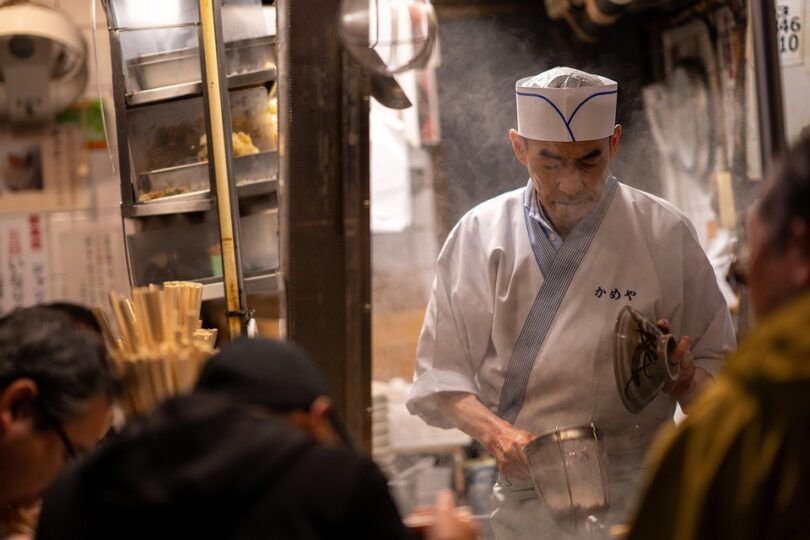
<p>Street food is an essential part of Japan's culinary landscape, offering a glimpse into the country’s rich traditions, cultural diversity, and regional flavors. From sizzling snacks to sweet treats, Japanese street food showcases the artistry and inventiveness of its vendors. This article will take you on a journey through some of the most iconic street foods of Japan, each with a unique story and flavor profile.</p>
<h2>1. Takoyaki</h2>
<p>Originating from Osaka, takoyaki are savory octopus-filled balls made from a wheat-based batter, cooked in a specially designed molded pan. These crispy exterior, warm, gooey interior delights are often topped with takoyaki sauce, bonito flakes, and aonori (seaweed flakes). A visit to Japan wouldn’t be complete without sampling this popular street snack.</p>
<h2>2. Okonomiyaki</h2>
<p>Another Osaka specialty, okonomiyaki is a savory pancake made with a batter of flour, eggs, shredded cabbage, and various ingredients like pork, shrimp, or cheese. The name translates to "grilled as you like it," highlighting its customizable nature. Cooked on a hot griddle, this dish is often served with a drizzle of sweet and savory sauce, mayonnaise, and a sprinkle of seaweed flakes.</p>
<h2>3. Yakitori</h2>
<p>Yakitori refers to skewered chicken grilled over a charcoal flame, imparting a smoky flavor. Vendors serve various parts of the chicken, including the thighs, breasts, and even offal. Typically brushed with tare sauce or sprinkled with salt, yakitori is often enjoyed with a cold beer in lively izakayas (Japanese pubs) and street stalls.</p>
<h2>4. Ikayaki</h2>
<p>Ikayaki, or grilled squid, is a popular festival food. Whole squids are coated in a savory sauce and grilled until tender. The dish is usually served on a stick, making it easy to enjoy while walking around the festival. The combination of charred flavors and tender meat creates a mouthwatering experience.</p>
<h2>5. Taiyaki</h2>
<p>Taiyaki is a fish-shaped cake filled with sweet fillings like red bean paste, custard, or chocolate. This delightful dessert is made from a pancake-like batter and cooked in a fish mold. The combination of crispy skin and warm filling makes taiyaki a beloved treat among locals and tourists alike.</p>
<h2>6. Yaki Imo</h2>
<p>Yaki imo, or roasted sweet potatoes, are especially popular in the colder months. Vendors roast the potatoes until they are tender and sweet, often serving them wrapped in paper. The natural sweetness and earthy flavor of yaki imo offer a comforting snack, making it perfect for chilly days.</p>
<h2>7. Dango</h2>
<p>Dango are rice dumplings skewered on a stick and typically served with sweet soy sauce glaze. Available in various flavors and colors, these chewy treats are popular during festivals and can be found in street stalls across Japan. Dango's delightful texture and sweet taste make it a favorite among sweet enthusiasts.</p>
<h2>8. Korokke</h2>
<p>Korokke, or Japanese croquettes, are breaded and deep-fried balls made from mashed potatoes or ground meat. These crispy delights are often served with tonkatsu sauce, making them a hearty and satisfying snack. They’re usually found near train stations or at festivals, where people queue up to savor this comfort food.</p>
<h2>Conclusion</h2>
<p>Traveling through Japan’s streets provides not just a feast for the senses, but also an insight into the culture and traditions of its people. The street foods reflect regional specialties, seasonality, and culinary creativity, each telling a story of its own. Whether you are savoring the rich flavors of takoyaki or indulging in the sweet delight of taiyaki, experiencing these iconic foods is essential for anyone wanting to understand Japan on a deeper culinary level.</p>
<h2>FAQs</h2>
<h3>1. What is the best time to experience street food in Japan?</h3>
<p>The best time to experience street food in Japan is during festivals (matsuri), which occur throughout the year. Each festival features its unique dishes, giving visitors a chance to sample seasonal specialties.</p>
<h3>2. Is street food safe to eat in Japan?</h3>
<p>Yes, street food in Japan is generally safe to eat. Vendors are usually required to adhere to strict hygiene standards. However, it’s always wise to choose stalls that have a good reputation or long lines, as these are indicators of quality and popularity.</p>
<h3>3. Where can I find the best street food in Japan?</h3>
<p>Popular areas for street food include Osaka's Dotonbori district, Tokyo's Asakusa neighborhood, and various festivals across the country. Each region has its specialties, making it an exciting culinary adventure.</p>
<h3>4. Can I find vegetarian options in Japanese street food?</h3>
<p>Yes, there are vegetarian options available, such as yaki imo (roasted sweet potatoes), dango (rice dumplings), and various types of vegetable tempura. However, it is advisable to check for ingredients given the use of dashi (fish stock) in many dishes.</p>
<h3>5. Are there any street food etiquette tips I should know?</h3>
<p>While enjoying street food, it’s polite to eat while standing or walking and to refrain from eating while on public transportation. Also, remember to dispose of your trash properly.</p>
<footer>
<p>© 2023 A Culinary Journey in Japan</p>
</footer>