

Kyoto, the heart of Japan’s cultural heritage, is a city that beautifully embraces the past while integrating modernity. From its ancient temples and shrines to stunning landscapes and delicious cuisine, Kyoto offers an unforgettable experience for every traveler. This guide will help you navigate through the enchanting streets of Kyoto, ensuring you don’t miss its hidden gems.
Getting There
Kyoto is conveniently located in the western part of Honshu, Japan’s main island. The city is easily accessible via several means of transportation:
- By Air: The nearest airport is Kansai International Airport (KIX), located about 75 minutes away by train. You’ll find direct flights from major international destinations.
- By Train: The Shinkansen (bullet train) connects Kyoto with Tokyo, Osaka, and Hiroshima, making it a popular option among tourists.
- By Bus: Long-distance buses are an economical way to travel to Kyoto from various cities across Japan.
Where to Stay
Kyoto offers a variety of accommodation options to suit different budgets and preferences:
- Luxury Hotels: Hotels like The Ritz-Carlton and Four Seasons provide exquisite service and amenities.
- Traditional Ryokans: Experience Japanese hospitality in traditional inns that often include meals and onsen (hot spring) baths.
- Boutique Hotels and Guesthouses: Affordable and unique stays that provide a taste of local culture.
Must-See Attractions
Kyoto is packed with historical sites and stunning natural beauty. Here are some of the must-see attractions:
1. Kinkaku-ji (Golden Pavilion)
This iconic Zen temple, covered in gold leaf, reflects majestically on the surrounding pond. It’s a UNESCO World Heritage Site and a must-visit for its stunning architecture and serene gardens.
2. Fushimi Inari Taisha
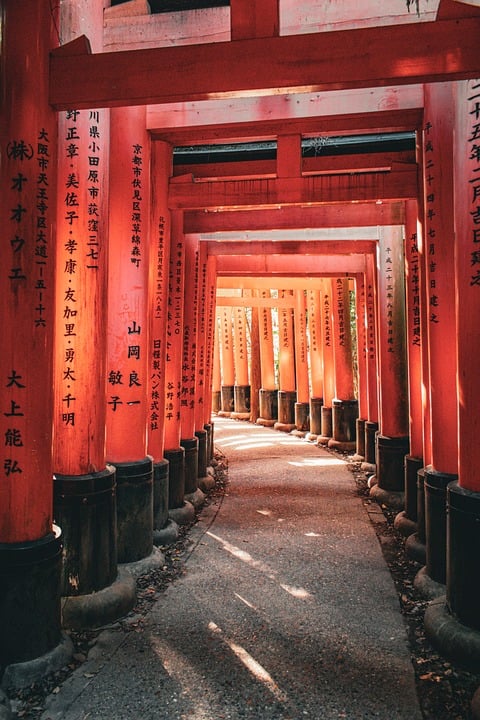
Known for its thousands of vermillion torii gates leading up to Mount Inari, this shrine is dedicated to Inari, the Shinto god of rice. Hiking trails through the gates offer breathtaking views of Kyoto.
3. Arashiyama Bamboo Grove
Famous for its towering bamboo stalks that sway gently in the wind, this serene location provides a peaceful escape from the city. The nearby Iwatayama Monkey Park is also worth a visit.
4. Gion District
Gion is Kyoto’s famous geisha district, where you can stroll along traditional wooden machiya houses. Look out for geiko and maiko as they make their way to appointments.
Exploring Kyoto’s Culture
To truly experience Kyoto, immerse yourself in its culture. Here are some ways to do so:
- Tea Ceremony: Participate in a traditional tea ceremony to learn about Japan’s tea culture.
- Kimono Experience: Rent a kimono for the day and stroll through the city as many locals do.
- Culinary Tours: Sample local delicacies like kaiseki, yudofu (tofu hot pot), and matcha sweets.
Transportation Within Kyoto
Getting around Kyoto can be a breeze with the following options:
- Public Transport: Kyoto City buses and trains are frequent and reliable. Consider purchasing a day pass for unlimited rides.
- Bicycles: Rent a bicycle for a leisurely way to explore the city and its outskirts.
- Taxis: While more expensive, they are a convenient option, especially late at night.
When to Visit
Kyoto is a year-round destination, but the best times to visit are:
- Spring (March to May): Cherry blossoms bloom, creating breathtaking landscapes.
- Autumn (September to November): Vibrant fall colors paint the city, especially in the gardens and temples.
- Summer (June to August): Hot and humid, the city hosts several festivals, including Gion Matsuri.
- Winter (December to February): Less crowded, with stunning views of temples dusted with snow.
Conclusion
Kyoto is a mesmerizing blend of ancient traditions and modern comforts. Whether you’re wandering through serene temples, tasting exquisite cuisine, or experiencing a traditional tea ceremony, each moment spent in Kyoto is filled with wonder. This ultimate travel guide serves as your roadmap to exploring one of Japan’s most enchanting cities. Plan your trip carefully, and immerse yourself in the beauty and history that Kyoto has to offer.
FAQs
1. Is Kyoto expensive to visit?
Kyoto can be flexible in terms of budget. You can find affordable options for accommodations and meals, but high-end experiences are also widely available.
2. How many days should I spend in Kyoto?
A minimum of 3 days is recommended to explore the major attractions at a leisurely pace, but spending a week would allow for deeper exploration and day trips to nearby areas.
3. Do I need to speak Japanese to navigate Kyoto?
While knowing some basic Japanese phrases can enhance your experience, many signs are in English, and locals are generally friendly and helpful to tourists.
4. What should I wear while visiting temples and shrines?
Modest clothing is recommended, particularly when visiting religious sites. Comfortable shoes are essential, as you may do a lot of walking.
5. Are there any cultural customs I should be aware of?
Yes, be respectful at religious sites, remove shoes when entering homes or certain areas, and be mindful of noise levels in public transport.