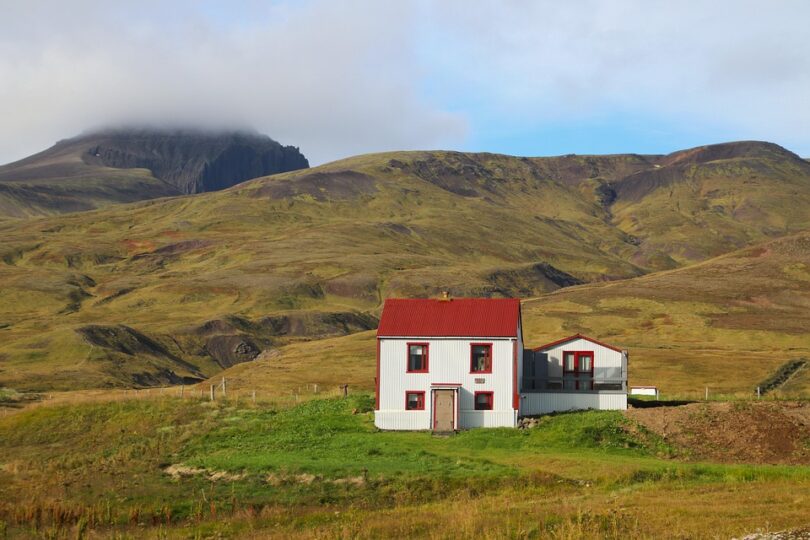


Iceland, an island nation located at the convergence of the North Atlantic and Arctic Oceans, has gained attention in recent years as an emerging hub for business and entrepreneurship. With its stunning landscapes, rich culture, and robust economic framework, navigating the Icelandic business landscape presents both unique opportunities and distinct challenges. This article explores these dynamics, offering insights for potential investors, entrepreneurs, and existing business owners.
Opportunities in the Icelandic Business Landscape
1. Growing Economy
Iceland’s economy has shown remarkable resilience, recovering quickly from the financial crash in 2008. The country has seen significant growth in sectors such as tourism, renewable energy, and technology. This economic stability provides a viable foundation for new businesses.
2. Renewable Energy Resources
With abundant geothermal and hydroelectric resources, Iceland leads the world in renewable energy utilization. This focus presents opportunities for businesses involved in sustainable practices and technologies, from energy production to innovation in energy efficiency.
3. Thriving Tourism Sector
Iceland’s unique natural beauty—from the Blue Lagoon to the Northern Lights—has attracted millions of tourists annually. This tourism boom opens doors for businesses in hospitality, transportation, and local craftsmanship.
4. Favorable Business Environment
Iceland ranks highly in various ease-of-doing-business indices. With a transparent regulatory framework, relatively low corporate tax rates, and support for startups, the environment is conducive for both local and foreign entrepreneurs.
Challenges in the Icelandic Business Landscape
1. Geographic Limitations
Iceland’s remote location can pose logistical challenges. Importing goods can be costly and time-consuming, affecting the supply chain for businesses reliant on domestic and international trade.
2. Market Size
With a population of about 370,000, Iceland represents a small market. This limited consumer base can hinder growth potential for businesses aiming to scale quickly. Entrepreneurs must be innovative and often look beyond local markets.
3. High Cost of Living
Icelanders experience a relatively high cost of living. This impacts employees’ salary demands as well as the pricing strategies businesses must employ to remain competitive.
4. Workforce Availability
While Iceland has a highly educated workforce, attracting labor can be a challenge. The island struggles with seasonal employment fluctuations, especially in tourism, making workforce planning essential.
Strategic Approaches for Success
Given the unique mix of opportunities and challenges, here are some strategic approaches businesses can adopt to navigate the Icelandic landscape effectively:
- Market Research: Conduct thorough research on local consumer behavior, preferences, and existing competition.
- Network Building: Establish connections with local businesses, government entities, and industry associations to facilitate entry and growth in the market.
- Focus on Sustainability: Embrace sustainable practices to align with consumer values and the growing demand for eco-friendly products and services.
- Leverage Technology: Invest in technology and innovation to improve operational efficiency and enhance consumer engagement.
Conclusion
Navigating the Icelandic business landscape offers a tapestry of opportunities intertwined with challenges. The resiliency of the economy, a focus on renewable energy, and a thriving tourism sector provide fertile ground for growable businesses. However, geographic limitations, market size, and cost dynamics add layers of complexity that demand strategic planning and adaptation. For entrepreneurs willing to invest time and effort, Iceland presents a unique business frontier with significant potential for success and innovation.
FAQs
1. What is the business culture like in Iceland?
The business culture in Iceland is characterized by a flat hierarchy, open communication, and an emphasis on work-life balance. Relationships and networks are essential for business success.
2. Are there government incentives for new businesses in Iceland?
Yes, the Icelandic government offers incentives for startups, including grants and funding through business development programs aimed at fostering innovation and entrepreneurship.
3. How can businesses attract talent in Iceland?
Businesses can attract talent by offering competitive salaries, promoting a positive work environment, and providing opportunities for professional development and growth.
4. What sectors are expected to grow in Iceland in the coming years?
Sectors such as technology, renewable energy, and tourism are expected to continue growing, driven by innovation and investment.