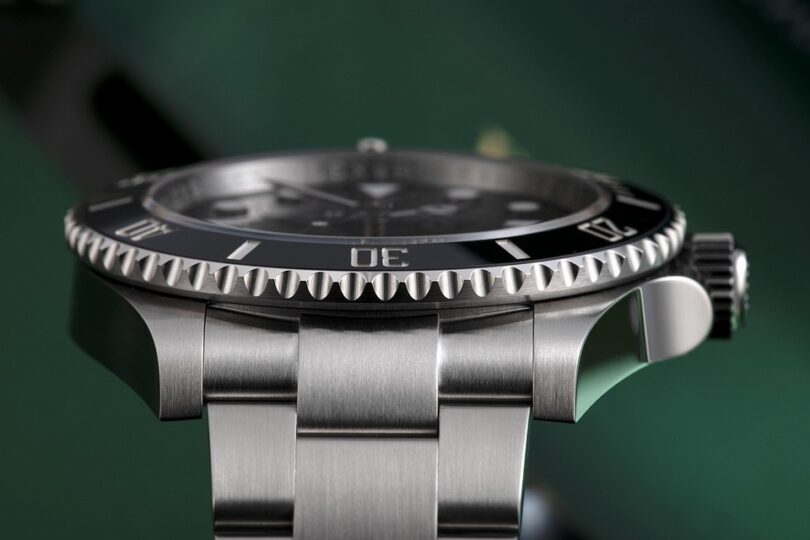


Mechanical watches are a perfect marriage of art and science, meticulously crafted to not only tell the time but to embody the essence of horological tradition. These timekeepers have a rich history, a complex inner machinery, and a promise of timeless elegance.
The History of Mechanical Watches
The origins of mechanical watches date back to the 15th century when the first spring-driven timepieces emerged. Initially, these timepieces were large, precision-engineered devices that were often limited to public spaces like churches or town squares. The transition from these bulky devices to portable timepieces began around the 16th century, with advances in technology and design leading to the first wristwatches in the 19th century.
Brands like Patek Philippe, Audemars Piguet, and Vacheron Constantin dominated the luxury market during the 20th century, perfecting the art of watchmaking. Their commitment to innovation fueled the evolution of mechanics, crafting timepieces that were both functional and aesthetically pleasing.
The Mechanics of Timekeeping
The intricate machinery of a mechanical watch is what separates it from its quartz counterparts. At the heart of every mechanical watch is the movement, also known as the caliber. This complex system comprises numerous components, including the mainspring, gears, escapement, and balance wheel. Each part plays a critical role:
The Mainspring
The mainspring is a coiled wire of metal that stores energy when wound. As the mainspring unwinds, it releases energy to power the watch. This energy transfer is crucial for accurate timekeeping.
The Gear Train
The gear train consists of various gears that transmit energy from the mainspring to the escapement. This intricate network of gears regulates the speed of timekeeping and allows the watch hands to move accordingly.
The Escapement
The escapement is a critical component that controls the release of energy from the mainspring, serving as the regulator for timekeeping. It works in tandem with the balance wheel to ensure precision. The escapement allows energy to escape in controlled bursts, ensuring the watch ticks at a constant interval.
The Balance Wheel
The balance wheel oscillates back and forth, similar to a pendulum. This motion is what divides time into equal segments, allowing for the accuracy of the watch. The quality of the balance wheel and its adjustment are paramount for precision timekeeping.
The Art of Watchmaking
While the science behind mechanical watches is fascinating, the artistry involved in their creation is equally compelling. Craftsmanship in watchmaking involves a meticulous attention to detail, with watchmakers spending years honing their skills. A few artful aspects include:
Handcrafted Components
Many luxury mechanical watches involve hand-assembly and finishing of components, showcasing the skill of the watchmaker. This level of craftsmanship not only enhances durability but also contributes to the watch’s aesthetic appeal.
Design and Aesthetics
The design of mechanical watches often reflects cultural influences, historical significance, and artistic expression. From classic designs to avant-garde creations, each timepiece tells a story and evokes an emotional response.
Innovation and Evolution
Modern watchmakers continue to push the boundaries of innovation. From incorporating unique materials to developing new movement technologies, the quest for precision and beauty never ceases. Brands are now exploring advancements such as tourbillons and perpetual calendars, enhancing functionality without sacrificing style.
The Importance of Winding
Many mechanical watches require regular winding to maintain accuracy. This ritual is often regarded as part of the charm of owning a mechanical watch. Some modern designs include automatic movements that self-wind through wrist movement, allowing for convenience without losing the traditional feel.
Why Invest in Mechanical Watches?
Investing in mechanical watches goes beyond mere utility; it is an investment in tradition, craftsmanship, and heritage. Mechanical watches often appreciate in value over time, making them a sought-after collector’s item. Moreover, the emotional connection and story behind a mechanical watch can far exceed that of a typical timekeeping device.
Conclusion
Mechanical watches embody a unique blend of art and science, serving not just as devices to measure time, but also as symbols of craftsmanship and tradition. Understanding the inner workings and artistry that goes into creating these timekeepers enriches the experience of owning one. Whether you are a collector, a casual wear, or just an admirer of fine mechanics, a mechanical watch invites you into a world filled with history and passion.
FAQs
1. What is a mechanical watch?
A mechanical watch is powered by a complex system of gears and springs rather than a battery. It can be manually wound or self-winding through wrist movement.
2. How do I wind a mechanical watch?
To wind a manual mechanical watch, simply turn the crown clockwise. Automatic watches wind themselves through natural wrist movement but may need manual winding if not worn for an extended period.
3. Why are mechanical watches so expensive?
The high cost of mechanical watches is due to the extensive craftsmanship, time-consuming assembly, and the use of quality materials. Additionally, brand reputation plays a significant role in pricing.
4. How can I maintain my mechanical watch?
Regular servicing by a professional can help maintain accuracy and longevity. It’s advisable to have your watch serviced approximately every 3-5 years, depending on usage.
5. Are mechanical watches accurate?
While mechanical watches are generally accurate, they may not maintain the same precision as quartz watches, influenced by factors such as temperature or position. High-end mechanical watches are finely tuned and offer remarkable accuracy.