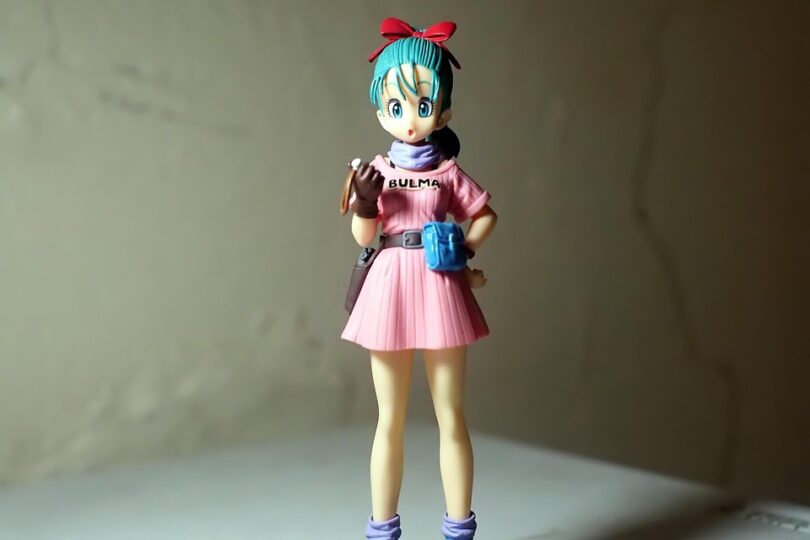


In recent years, the popularity of manga adaptations in anime has surged dramatically, blending the artistry of comics with the dynamic flair of animated storytelling. This evolution has transformed the landscape of both industries, resulting in some of the most memorable narratives in contemporary media.
The Roots of Manga and Anime
Manga, a term that encompasses a wide range of comic styles in Japan, has a rich history dating back to the 12th century. However, it wasn’t until the late 19th and early 20th centuries that manga as we know it began to take shape. Animated films followed soon after, with the first notable anime arrival in the early 20th century. It is essential to understand that while manga and anime are distinct forms of art, they share cultural and artistic origins.
The Early Days: Manga to Anime
The adaptation of manga into anime is not a new phenomenon. As early as the 1960s, series like “Astro Boy” paved the way for this crossover. These adaptations laid the groundwork for countless series, creating a template that future creators would follow.
Initially, many adaptations were straightforward, adhering closely to their source material. The focus was mainly on maintaining the storyline and character integrity, often resulting in a lack of creative exploration. This approach mirrored a belief that sticking to the manga was the best formula for success.
Creative Freedom: Expanding the Narrative
As the industry evolved, so did the approach to adaptations. The late 1990s and early 2000s marked a shift in which anime began to take creative liberties. Rather than simply regurgitating the plotlines, studios started to expand narratives, introduce original arcs, and explore character developments that manga merely hinted at.
One standout example is “Fullmetal Alchemist,” which diverged significantly from its source material after a certain point, crafting an entirely new narrative. This resulted in two adaptations: the original series in 2003 and “Fullmetal Alchemist: Brotherhood” in 2009, the latter being more faithful to the manga and widely praised for it.
Technological Advancements and Quality Animation
Technological advancements have also played a crucial role in enhancing anime adaptations. The introduction of high-definition graphics, digital animation techniques, and improved sound production has allowed studios to bring manga panels to life in ways previously unimaginable. Series like “Attack on Titan” and “Demon Slayer: Kimetsu no Yaiba” showcase how animation can elevate the original material through vibrant visuals and intense action sequences.
Global Influences and Cultural Exchange
Another significant evolution in manga adaptations is the growing influence of global audiences. With the rise of streaming platforms, anime has reached a wider and more diverse audience. Studios are now more attuned to international tastes and preferences, resulting in adaptations that not only cater to Japanese audiences but also resonate with viewers around the world.
This cultural exchange has also led to collaborations and co-productions between Japanese studios and international partners, further enriching the landscape of anime. Series like “Castlevania” and “Pacific Rim: The Black” illustrate this collaborative spirit, showcasing how different cultures can come together to create something unique.
Fandom and Community Engagement
The fandom surrounding manga and its anime adaptations has also evolved. Social media platforms allow fans to engage in discussions, share artwork, create fan theories, and even influence future adaptations. This level of community involvement has given rise to a new era of fandom, where the lines between creators and consumers are increasingly blurred.
Moreover, franchises are now often marketed across multiple platforms, with fans able to experience stories through manga, anime, merchandise, and video games, creating a more immersive universe. This interconnectedness has only bolstered the love for the source material and its adaptations.
Conclusion
The evolution of manga adaptations in anime reflects not only advancements in technology and storytelling but also the changing dynamics of culture and audience engagement. As the two forms of media continue to grow and intersect, they push the boundaries of what is possible, bringing fans stories that resonate deeply across different backgrounds and generations.
FAQs
What are some popular manga adaptations in anime?
Popular adaptations include “Naruto,” “One Piece,” “My Hero Academia,” “Attack on Titan,” and “Demon Slayer: Kimetsu no Yaiba.”
Are all anime adaptations faithful to their manga source?
No, not all anime adaptations remain faithful. Some, like “Fullmetal Alchemist,” deviate significantly from the source material while others, like “One Piece,” maintain a closer alignment.
How has streaming changed the anime landscape?
Streaming platforms have made anime more accessible to global audiences, fostering diverse viewership and encouraging international co-productions.
What role does fan engagement play in anime adaptations?
Fan engagement through social media allows for active participation in discussions, sharing of content, and influencing adaptations, ultimately enriching the overall experience.