


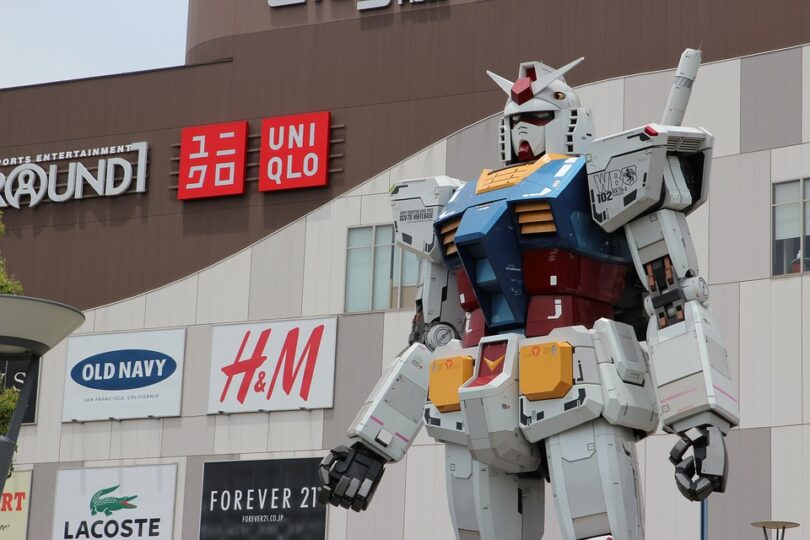


Japan has long been recognized as a leader in technology and innovation. As the world transitions towards increasing automation, Japanese robotics has emerged as a powerful force that shapes various industries, from manufacturing to healthcare. This article explores the factors contributing to Japan’s expertise in robotics, the innovative technologies being developed, and the potential future impacts on global automation.
The Foundation of Japan’s Robotics Industry
Japan’s foray into robotics can be traced back to the post-World War II era, when the nation sought to rebuild its economy and enhance productivity. The combination of a strong manufacturing base, governmental support, and a cultural inclination toward technology has laid a solid foundation for robotics development.
- Strong Manufacturing Sector: Japan is home to some of the world’s most prominent companies like Toyota, Honda, and Sony, which have continually pushed the boundaries of production technology.
- Government Initiatives: The Japanese government has been proactive in investing in robotics through various initiatives aimed at boosting research and development.
- Cultural Attitude: The cultural acceptance of robots in society, often epitomized by humanoid robots such as ASIMO, facilitates a smoother integration of robotics into everyday life.
Innovative Technologies and Applications
Japanese companies are at the forefront of developing groundbreaking technologies that contribute significantly to various applications of robotics.
1. Industrial Automation
Robotics has transformed the manufacturing landscape in Japan. Advanced robots perform tasks ranging from assembly to welding, greatly improving efficiency and precision.
2. Healthcare and Elderly Care
With an aging population, Japan is pioneering the use of robots in healthcare settings. Robots assist in surgeries, provide rehabilitation therapy, and even help with eldercare.
3. Service Robots
In addition to their industrial applications, robots are being deployed in customer-facing roles within hospitality and retail sectors. Robotics for tasks like food service and customer assistance are gaining traction.
4. Disaster Response
Japan’s vulnerability to natural disasters has led to innovations in robotics for disaster response. Robots are utilized to search and rescue, providing critical assistance in environments that are hazardous for humans.
The Role of Leading Companies
Several key players in Japan’s robotics industry are leading this charge, contributing to both national and global advancements in automation.
- FANUC: A pioneer in industrial robots, FANUC specializes in automation solutions for manufacturing industries around the globe.
- SoftBank Robotics: Known for its humanoid robot, Pepper, SoftBank is focused on developing robots that enhance human interactions.
- Cyberdyne: The company is known for creating robotic exoskeletons that assist individuals with mobility challenges.
The Future of Robotics in Japan
As Japan continues to invest in robotics, several trends indicate a bright future for automation:
- Integration of AI: Artificial Intelligence is set to further transform robotics, enabling machines to learn and adapt to changing environments.
- Collaboration with Humans: Future robots are expected to work alongside humans seamlessly, enhancing productivity without replacing human jobs.
- Global Influence: As Japanese robotics technology evolves, it will likely influence global standards and practices, impacting industries worldwide.
Challenges Ahead
Despite the advancements, challenges remain that could affect the trajectory of robotics in Japan:
- Labor Market Concerns: The rise of automation raises concerns about job displacement, particularly in traditional manufacturing roles.
- Ethical Considerations: As robots take on more responsibilities, ethical questions surrounding autonomy and decision-making arise.
- Technological Limitations: While current technologies are remarkable, ongoing challenges such as robustness, safety, and usability need addressing.
Conclusion
Japan’s journey into robotics illustrates the potential of technology in shaping the future of automation. As the world moves towards a more automated existence, Japan’s continued innovation will likely set the standard for robotics in various sectors. By leveraging technological advancements while navigating ethical and societal concerns, Japan can foster a future where robots enhance human life, driving productivity and improving quality of life.
FAQs
1. What is the current state of robotics in Japan?
Japan has a well-established robotics industry, focusing on both industrial automation and service applications.
2. How does robotics impact Japan’s economy?
Robotics significantly enhances productivity and efficiency, contributing to economic growth and maintaining Japan’s competitive edge in manufacturing.
3. What are the societal implications of automation?
While automation can improve efficiency, it raises concerns about job displacement and the need for reskilling the workforce.
4. How is Japan addressing the challenges of robotics adoption?
Japan is investing in education and training programs while also focusing on ethical considerations and public acceptance of robotics.


