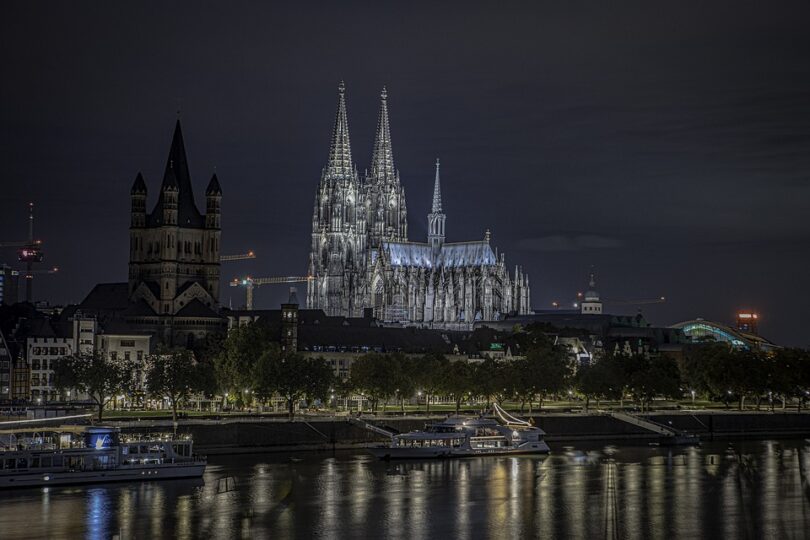


Cologne Cathedral, or Kölner Dom in German, stands as a testament to human ingenuity and the Gothic architectural style. Located in the heart of Cologne, Germany, this magnificent structure attracts millions of visitors each year, making it one of the most iconic landmarks in Europe.
A Brief History
The construction of Cologne Cathedral began in 1248 and continued in stages for over six centuries. Initially designed to house the relics of the Three Wise Men, the cathedral was constructed using sandstone and features intricate details that symbolize both religious devotion and artistic mastery. The cathedral’s completion was finally achieved in 1880, with its iconic twin spires reaching a height of 157 meters, making it the tallest cathedral in Germany.
The Design and Architecture
Cologne Cathedral is a quintessential example of High Gothic architecture, exhibiting features such as:
- Stained Glass Windows: The cathedral is adorned with over 70 stunning stained glass windows, created between the 13th and 20th centuries. These windows depict biblical stories and historical events, casting colorful light throughout the nave.
- Flying Buttresses: These structural elements not only provide support to the walls but also enhance the cathedral’s grandiose appearance. They are a hallmark of Gothic architecture, allowing builders to create higher and more light-filled interiors.
- Intricate Facades: The western façade features thousands of sculptures, including figures of saints and biblical scenes, that tell stories etched in stone.
- Pointed Arches: The cathedral’s pointed arches allow for higher ceilings and larger windows, creating an atmosphere of vertical grandeur that is characteristic of Gothic cathedrals.
The Interior Wonders
Inside Cologne Cathedral, visitors are greeted by an awe-inspiring space defined by grandeur and spirituality. Key features include:
- The Nave: The vast nave, with its soaring ceilings and detailed ribbed vaults, creates a sense of verticality. It draws the eye upwards, encouraging contemplation and reverence.
- The High Altar: The high altar, dating back to the 19th century, is adorned with impressive artworks and serves as the focal point for worship.
- The Shrine of the Three Kings: This ornate shrine houses the relics of the Three Wise Men and is a pilgrimage site for many. Its gold and silver craftsmanship exemplify the artistic skill of the time.
Significance and Cultural Impact
Cologne Cathedral has profound historical and cultural significance, not only as a religious site but also as a symbol of resilience. During World War II, the cathedral survived bombing raids, becoming a beacon of hope for the people of Cologne. Today, it is a UNESCO World Heritage Site, recognized for its cultural value and outstanding universal significance.
Visitor Experience
Visiting Cologne Cathedral is an unforgettable experience. The towering structure dominates the skyline, and its intricate details beg to be explored up close. Visitors can:
- Climb the 533 steps to the viewing platform for panoramic views of Cologne.
- Attend Mass or participate in guided tours to learn about its history and architecture.
- Explore the surrounding area, including the charming Altstadt (Old Town), filled with shops, cafes, and museums.
Conclusion
Cologne Cathedral is more than just a magnificent piece of architecture; it is a symbol of faith, history, and resilience. Its stunning design and rich history make it a must-visit destination for anyone traveling to Germany. As you walk through its hallowed halls and gaze up at its soaring ceilings, you cannot help but feel the weight of centuries of devotion and artistry that have gone into creating this masterpiece of Gothic architecture.
FAQs About Cologne Cathedral
1. What is the best time to visit Cologne Cathedral?
The cathedral is open year-round, but visiting during weekdays or in the early morning can help you avoid crowds. Special events and services may also be held, which could impact visitor access.
2. How do I get to Cologne Cathedral?
The cathedral is located in the city center and is easily accessible by public transportation, including trains, trams, and buses. The Cologne Central Station (Köln Hauptbahnhof) is adjacent to the cathedral, making it convenient for visitors.
3. Are there any admission fees?
Entry to the cathedral is free, but there may be fees for guided tours or access to special areas, such as the tower.
4. Can I take photographs inside the cathedral?
Yes, photography is generally permitted, but respecting the sacred environment is essential, especially during services.
5. Is there a dress code for visitors?
While there is no strict dress code, visitors are encouraged to dress modestly, especially if attending Mass or special events.