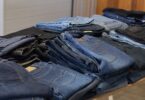
In recent years, the fashion industry has come under increasing scrutiny for its impact on the environment and its role in perpetuating social inequalities. As the fast-paced world of fashion continues to churn out new trends at an unprecedented rate, a counter-movement has risen. Enter sustainable fashion—a paradigm shift that seeks to balance style with responsibility. This article delves into the drivers behind this change, the emerging trends in sustainable fashion, and the challenges faced by the industry.
The Need for Change
The traditional fashion model, characterized by mass production and fast fashion, has led to significant environmental degradation. According to the United Nations, the fashion industry is responsible for a staggering 10% of global carbon emissions, contributing to climate change at an alarming rate. Additionally, it accounts for around 20% of wastewater generated by industrial processes. Such statistics reflect an industry in dire need of reform.
The Rise of Sustainable Fashion
Sustainable fashion aims to alleviate the environmental and social burdens of the fashion industry by promoting ethical production practices, utilizing eco-friendly materials, and encouraging consumers to adopt mindful consumption habits. This paradigm shift is not merely a trend; it represents a growing awareness and desire for change among consumers, manufacturers, and designers alike.
Eco-Friendly Materials
One of the most significant developments in sustainable fashion is the use of eco-friendly materials. Brands are increasingly opting for organic cotton, hemp, Tencel, and even innovative materials such as mushroom leather and recycled plastics. These alternatives not only reduce the environmental footprint of fashion production but also align with consumer preferences for transparency and ethical sourcing.
Ethical Production Practices
Sustainable fashion does not only focus on materials; it also advocates for ethical production practices. This involves ensuring fair wages, safe working conditions, and transparency throughout the supply chain. Brands like Patagonia and Everlane have set a precedent by being open about their production processes and actively working towards improvements.
Second-Hand and Rental Markets
The rise of thrift shopping, second-hand markets, and clothing rental services has also revolutionized how consumers approach fashion. Brands like Rent the Runway and thredUP are leading the charge, providing consumers with affordable, stylish options while promoting a circular economy. By extending the life cycle of garments and reducing waste, these models align perfectly with sustainable principles.
Challenges in Sustainable Fashion
Despite the positive trajectory of sustainable fashion, the industry is not without challenges. One significant barrier is the greenwashing phenomenon, where brands falsely claim to be environmentally friendly to attract conscious consumers. This can create confusion and skepticism among shoppers.
Additionally, the cost of sustainable materials and ethical labor practices can result in higher retail prices, potentially alienating budget-conscious consumers. While the demand for sustainable fashion is growing, there remains a disconnect between consumers’ desire for affordable options and the reality of sustainable practices.
The Role of Technology
Technology is playing a crucial role in transforming the sustainable fashion landscape. Innovations such as blockchain can enhance traceability in the supply chain, providing consumers with more information about the origins of their clothing. Furthermore, advancements in waste management and recycling technologies enable better processing of materials, reducing the overall environmental impact.
The Consumer’s Role
Consumers are not mere bystanders in this revolution; their choices significantly influence the direction of sustainable fashion. As awareness rises, shoppers are increasingly seeking brands that align with their values. Practicing mindful consumption by investing in quality, timeless pieces rather than trendy fast-fashion items has become a mantra for many.
Conclusion
The rise of sustainable fashion reflects a broader societal awareness of environmental and ethical concerns. As the industry navigates the challenges of greenwashing, higher costs, and the fast-paced nature of consumption, it is crucial that stakeholders—from brands to consumers—commit to genuine, sustainable practices. The journey towards a more sustainable fashion industry is ongoing, but with collaboration and innovation, it is possible to weave a fabric of change that benefits both people and the planet.
FAQs
What is sustainable fashion?
Sustainable fashion refers to clothing and accessories that are produced ethically and environmentally friendly, often utilizing organic materials, fair labor practices, and promoting a circular economy.
Why is sustainable fashion important?
The fashion industry has a significant impact on the environment and society. Sustainable fashion aims to reduce waste, lower carbon footprints, and ensure fair labor practices, contributing to a healthier planet and society.
How can I support sustainable fashion?
You can support sustainable fashion by choosing to buy from eco-friendly brands, shopping second-hand, being mindful of your consumption, and advocating for responsible practices in the fashion industry.
Are sustainable clothes more expensive?
While sustainable clothing can sometimes be more expensive due to the costs associated with ethical production and eco-friendly materials, many consumers find long-term value in quality garments that last longer.