<h1>The Beginner's Guide to the Keto Diet: Everything You Need to Know</h1>
<p>The ketogenic diet, commonly known as the keto diet, has gained immense popularity in recent years as an effective method for weight loss and overall health improvement. But what exactly is the keto diet, and how does it work? This article aims to provide a comprehensive guide for beginners looking to dive into the keto lifestyle.</p>
<h2>What is the Keto Diet?</h2>

<p>The keto diet is a low-carbohydrate, high-fat diet that encourages the body to enter a state called ketosis. During ketosis, the body becomes incredibly efficient at burning fat for energy instead of carbohydrates. This state also leads to the production of ketones, which can provide energy for the brain and other organs.</p>
<h3>Key Components of the Keto Diet</h3>

<ul>

    <li><strong>Low Carbohydrate Intake:</strong> Typically, a keto diet restricts carbohydrate intake to around 5-10% of total daily calories.</li>

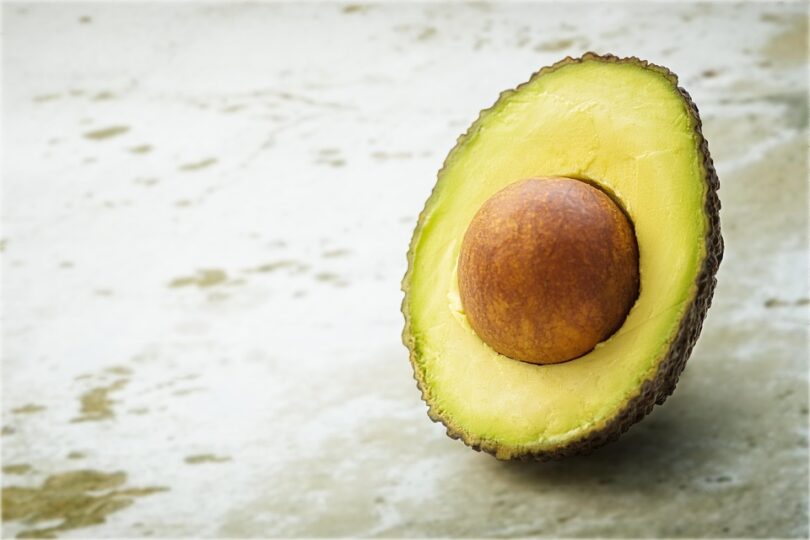
    <li><strong>High Fat Consumption:</strong> About 70-80% of your daily calories should come from fats, including healthy fats like olive oil, avocados, and nuts.</li>

    <li><strong>Moderate Protein:</strong> Protein should consist of about 15-25% of daily calories, focusing on high-quality sources.</li>

</ul>
<h2>Benefits of the Keto Diet</h2>

<p>The keto diet offers various benefits, including:</p>

<ul>

    <li><strong>Weight Loss:</strong> Many people experience rapid weight loss during the initial weeks of the keto diet due to water weight loss and fat breakdown.</li>

    <li><strong>Improved Mental Clarity:</strong> Ketones can provide an alternative energy source for the brain, promoting improved focus and mental clarity.</li>

    <li><strong>Stabilized Blood Sugar Levels:</strong> The diet can help regulate insulin levels and improve blood sugar control, which is beneficial for those with diabetes.</li>

    <li><strong>Increased Energy Levels:</strong> Once adapted, the body can burn fat efficiently, leading to more sustained energy throughout the day.</li>

</ul>
<h2>Getting Started with the Keto Diet</h2>

<p>Starting the keto diet can be overwhelming, but following these steps can help ease the transition:</p>
<h3>1. Educate Yourself</h3>

<p>Learn about the foods that fit into the keto diet and how to read nutrition labels effectively.</p>
<h3>2. Meal Planning</h3>

<p>Plan your meals ahead of time to ensure you stay within your macro goals. Incorporate a variety of foods to avoid boredom.</p>
<h3>3. Stock Your Kitchen</h3>

<p>Fill your kitchen with keto-friendly foods such as meats, dairy products, low-carb vegetables, nuts, and healthy fats.</p>
<h3>4. Monitor Your Macros</h3>

<p>Use apps or journals to track your macronutrient intake to stay within your desired ranges.</p>
<h3>5. Stay Hydrated</h3>

<p>Drink plenty of water and consider electrolytes, especially during the initial phases of the diet, when your body is adjusting.</p>
<h2>Potential Side Effects</h2>

<p>While the keto diet can offer numerous benefits, it may also have some side effects, especially in the initial stages:</p>

<ul>

    <li><strong>Keto Flu:</strong> Some individuals experience flu-like symptoms as their bodies adapt to ketosis, known as the "keto flu." Symptoms include fatigue, headache, and irritability.</li>

    <li><strong>Nutrient Deficiencies:</strong> Due to limited food choices, some dieters may face potential nutrient shortages. It's vital to plan meals carefully to include a range of nutrients.</li>

    <li><strong>Digestive Issues:</strong> Some people may encounter constipation or diarrhea on the keto diet, particularly if they do not consume enough fiber.</li>

</ul>
<h2>Conclusion</h2>

<p>The keto diet can be an effective way to lose weight and improve overall health, but it requires commitment and understanding of nutritional balance. As with any diet, it's essential to consult with a healthcare professional before making significant changes to your eating habits. With the right preparation and mindset, the keto diet can be a sustainable lifestyle change that promotes improved health and wellness.</p>
<div class="faq">

    <h2>FAQs</h2>
<h3>1. Can I eat fruit on the keto diet?</h3>

    <p>Fruits are generally high in carbohydrates, but some low-carb fruits like berries can be enjoyed in moderation.</p>
<h3>2. Is the keto diet suitable for everyone?</h3>

    <p>While many can benefit from the keto diet, those with certain medical conditions should consult a healthcare professional before starting.</p>
<h3>3. How long does it take to enter ketosis?</h3>

    <p>Most individuals can enter ketosis within 2-7 days, depending on their body and level of carbohydrate restriction.</p>
<h3>4. Can I eat dairy on the keto diet?</h3>

    <p>Yes, many dairy products are low in carbs and high in fat, making them suitable for the keto diet, but be mindful of portion sizes.</p>
<h3>5. What should I do if I feel fatigued on keto?</h3>

    <p>Fatigue, especially at the start, can be common. Ensure you’re consuming enough electrolytes and calories, and consider consulting a healthcare professional if it persists.</p>
</div>